Doing More with What We Have: Practical Operating Plays
Blue Economy + Nearshoring:
How India Can Unlock Regional Trade - Even with Port Bottlenecks

----Author :Capt Gajanan Karanjikar,Blue Economy- activist, Marine expert,US based Consultant for Maritime
Doing More with What We Have: Practical Operating Plays:
Even before new
berths or deeper drafts arrive, exporters can de-risk and accelerate
with these operating tactics:
1.
Dual-port strategy on each coast
Book space with two terminals/ports (e.g., Mundra + JNPT or Chennai +
Krishnapatnam) to ride out yard congestion and weather closures.
2.
Rail-first into ports
Use DFC (west) and scheduled rail elsewhere to beat landside variability. Fix priority
rail slots with ICDs and CFS partners; target ≤48h terminal dwell.
3.
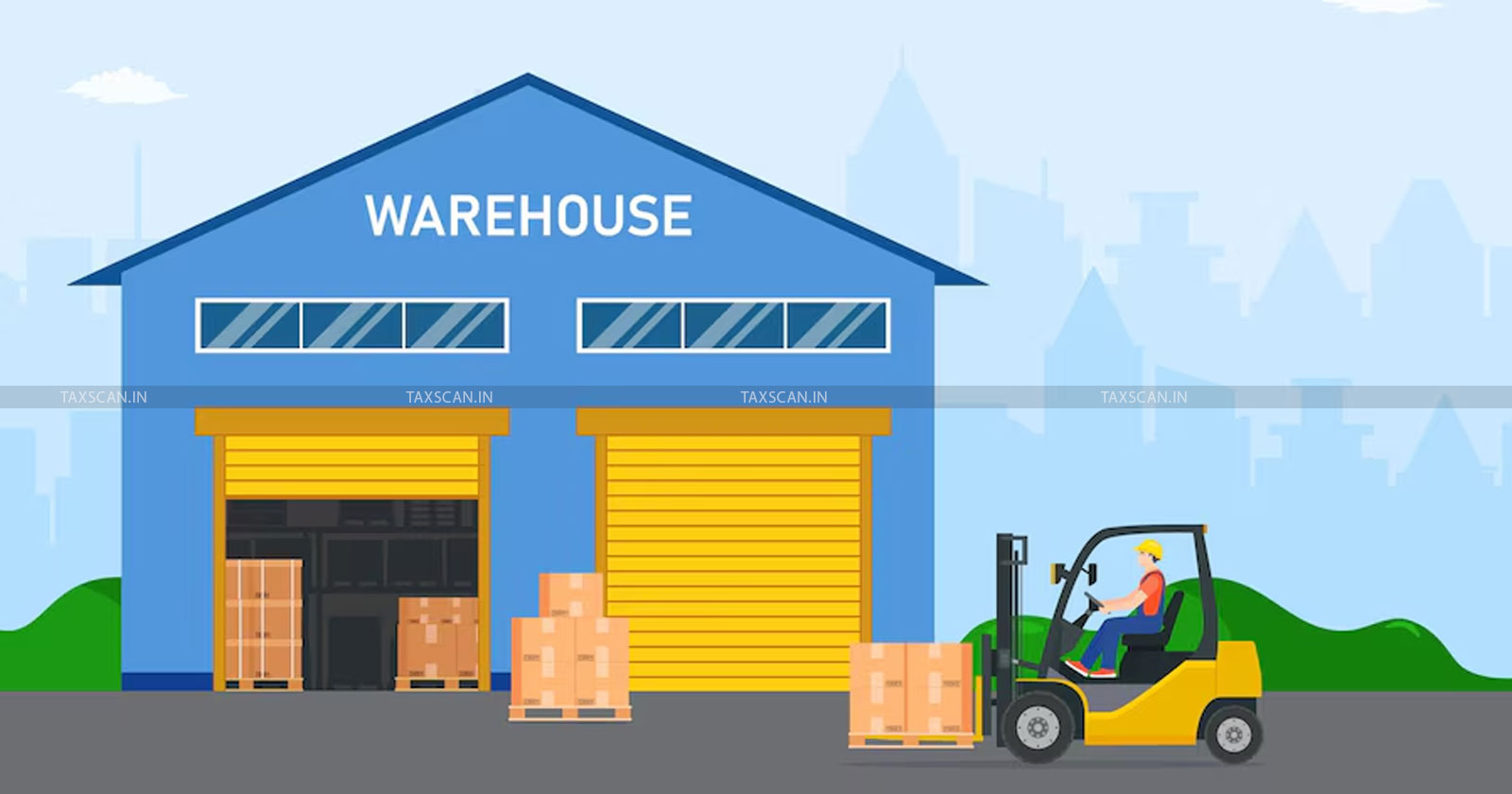
FTWZ staging + buffer stocks
Hold 2–3 weeks of export inventory in Free Trade Warehousing Zones near
gateways. In Suez/Cape disruptions or cyclone windows, the buffer protects
service levels.
4.
Carrier diversity and MQC governance
Keep at least two liners per lane, quarterly MQC reviews, and
pre-negotiated Cape reroute rates to avoid spot-price shocks.
5.
Cold-chain and DG SOPs
Standardize reefer pre-trip inspections, data-logger protocols, and DG
segregation; use vetted 3PLs with pharma/food certifications.
6.
PCS/API integration
Tie factory WMS/TMS to Port Community System and Customs EDI. Automate SI/VGM
and time-stamp the “golden thread” of documents to cut handoffs and errors.
7.
Weatherized playbooks
Cyclones and monsoons are predictable in pattern if not in exact timing.
Pre-authorize port switches, sealed-trailer SOPs, and alternate
routings.
These plays don’t
require new laws; they require discipline, contracting, and digital plumbing.
They convert India’s existing network into a more reliable platform for
nearshored production.