Tamil Nadu begins 61-day annual fishing ban; Fishermen demand bigger compensation
The annual 61-day
fishing ban along Tamil Nadu’s coastline commenced in the early hours of
Tuesday (15 April ’25) and will remain in effect until 14 June. The ban,
enforced under the Tamil Nadu Marine Fishing Regulation Act, 1983, is intended
to safeguard marine biodiversity during the peak breeding season. During this period, mechanised boats and trawlers are barred from
operating in the sea, giving marine life a crucial window to regenerate.
According to the Ramanathapuram district administration,
nearly 1,500 mechanised fishing vessels have been docked at various coastal
jetties across the state. Of these, 809 boats have been anchored in Chennai
alone. In Thoothukudi district, over 550 mechanised boats at the Thoothukudi,
Tharuvaikulam, and Vembar fishing harbours will also remain grounded throughout
the ban...Fishermen leaders have urged
the state government to enhance surveillance along the coastline to prevent
illegal fishing activities during the ban.
They have specifically called for the deployment of
Indian Coast Guard personnel and marine police to monitor the waters and catch
any violators.“We must ensure no
unauthorised fishing takes place, especially by boats from Kanniyakumari or
Kerala. The fisheries department must remain alert,” said Pugal, Secretary of
the Deep Sea Fishermen Welfare Association.
Traditional non-mechanised country boats are permitted to
operate during the ban in Tamil Nadu. However, officials have warned local
fishermen not to venture into Andhra Pradesh waters, where a total fishing
ban—including for traditional crafts—is in place...To ease the financial strain during the ban, the Tamil Nadu government
has announced a relief package of Rs 8,000 for every registered fisherman. Boat
owners are expected to use this time for essential maintenance and repairs of
their vessels.
Nonetheless, there are increasing demands from the
fishing community for higher compensation, citing the rising cost of living and
inflation.
NJ Bose, leader of the
All Mechanised Boat Fishermen Association, also repeated the community’s call
for a resolution to the long-standing Katchatheevu issue before the ban concludes.
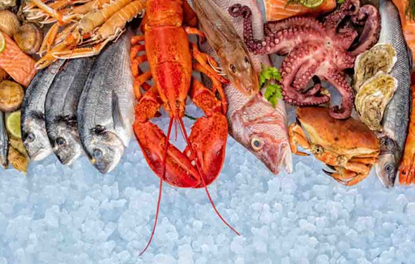
Fish prices witnessed a sharp increase ahead of the ban.
On Sunday, the Kasimedu fishing harbour in Chennai saw heightened demand and
soaring prices. Seer fish sold for Rs 900–Rs 1,000 per kg, white pomfret at Rs
1,100 per kg, red snapper at Rs 500–Rs 600 per kg, and sardines at Rs 100–Rs
120 per kg. With local mechanised
fishing suspended, markets are expected to rely heavily on supplies from
neighbouring states such as Kerala and Karnataka.
Consumers may also
turn to coastal villages to buy fish directly from traditional fishermen as
they return to shore with their daily catch.

Related News