

Office Address
123/A, Miranda City Likaoli Prikano, Dope
Phone Number
+0989 7876 9865 9
+(090) 8765 86543 85
Email Address
info@example.com
example.mail@hum.com


123/A, Miranda City Likaoli Prikano, Dope
+0989 7876 9865 9
+(090) 8765 86543 85
info@example.com
example.mail@hum.com
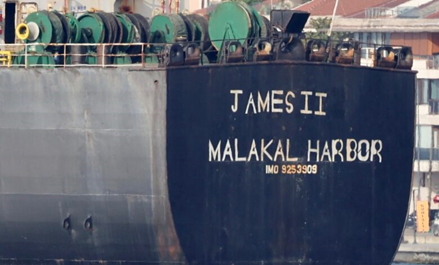
In a note circulated ahead of LEG 113, the secretariat said the tally of
falsely flagged ships has risen since LEG 112 and that 356 of those vessels are
not classed by any classification society. The list, compiled with verification
from S&P Global and published through the IMO’s GISIS platform, breaks the
phenomenon down by purported flag state and vessel type, and highlights how the
deception spans tankers, bulkers, containerships and smaller craft.
The report chronicles submissions and alerts from
governments and industry stakeholders around the world. The Netherlands flagged
two fraudulent websites claiming to issue Sint Maarten certificates; 17 ships
were confirmed flying a false Sint Maarten flag. France reported a bogus maritime
administration webpage for Matthew Island, though no ships were identified.
Landlocked Malawi discovered a fake Malawi Ship Registry, reported the fraud to
INTERPOL and saw its count of falsely flagged ships fall from 27 in September
2025 to eight at the time of the report.
Timor‑Leste and Lesotho both notified the IMO that
they do not operate international registries after fraudulent pages and
certificates surfaced. The UK raised cases linked to Bermuda MMSI numbers being
misused by vessels claiming to be commercial fishing ships, in breach of
Bermuda law. Benin uncovered a fake
maritime administration website and initially reported 33 falsely flagged
ships, a figure that had fallen to 13 following follow‑up checks. The Gambia
carried out a registry cleanse that removed 72 ships and imposed a moratorium
on new registrations after discovering forged certificates.
Other submissions revealed sudden AIS broadcasts bearing Botswana
details despite that country not operating a registry (17 false Botswana
flags), fraudulent crew‑boat certificates linked to Mali (17 false Mali flags),
and a discredited claim that an Alfa Register of Shipping had been authorised
by Guinea, which the government denied – 39 ships were found flying a false
Guinea flag. Tonga’s case has made
headlines recently. Its international registry was terminated in 2002, so
foreign ships using the Tongan flag are to be treated as stateless under
international law, the Tongan government stated recently. 13 tankers were
identified. Comoros presents a complex picture of multiple webpages and forged
certificates; after verification 83 vessels remain recorded as falsely flying
the Comoros flag.
The secretariat’s table also shows significant
false‑flag counts attributed to Guyana (74), Aruba (35), Curaçao (32) and a
long tail of other states and territories.
The secretariat will ask the legal committee for
further measures to prevent unlawful practices and to tighten verification, a
push that aims both to protect maritime safety and to strip cloak and anonymity
from ships exploiting bogus registries.
False flags have been a constant in the shipping
news cycle this month, with Splash covering stories relating to fraudulent
registries that stretch from Vanuatu to Zimbabwe and Madagascar.
Writing for Splash earlier this month, David Heindel from the
International Transport Workers’ Federation argued: “The jurisdictional
ambiguity that allows ships to shift identities, manipulate registries, or
operate without effective oversight is not accidental. It is built into the
business model. This is why false flags and shadow fleets have continued to
proliferate despite increased sanctions, surveillance, and massively increased
media and political attention. Industry profits from opacity. Flag states – in
the case of the worst offenders, with flags often outsourced to unscrupulous
overseas business interests – profit from regulatory leniency. Together, they
create exactly the conditions in which fraudulent registries, identity
switching, and impunity thrive.”