




Office Address
123/A, Miranda City Likaoli Prikano, Dope
Phone Number
+0989 7876 9865 9
+(090) 8765 86543 85
Email Address
info@example.com
example.mail@hum.com


123/A, Miranda City Likaoli Prikano, Dope
+0989 7876 9865 9
+(090) 8765 86543 85
info@example.com
example.mail@hum.com
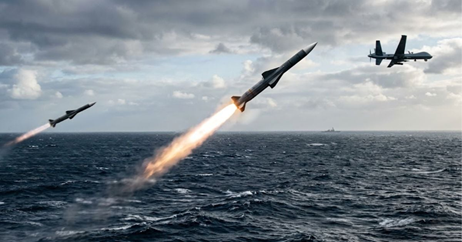
In retaliation, the
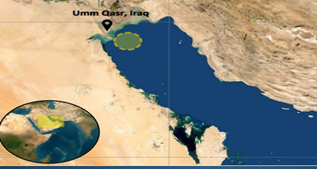
U.S. also targeted Iran’s coastal surveillance radar sites and an island in the
strait to defend against further attacks. According to a social media post by
the U.S Central Command, Iran fired 7 missiles towards Bahrain and Kuwait,, and
the U.S.S intercepted 6 of those, with the 7th one reaching its target. The
missiles were launched after the U.S. shot down 4 Iranian drones earlier in the
day, aimed towards the Hormuz Strait.
US officials said that
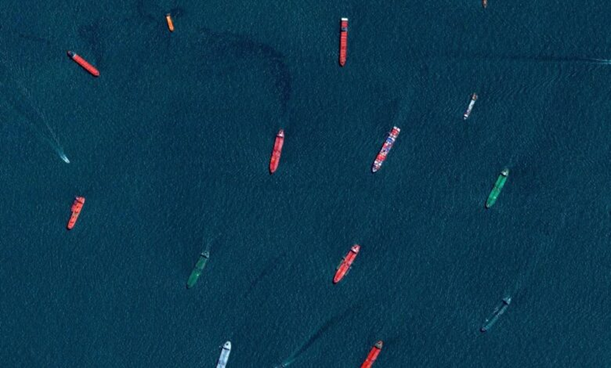
the drones were aimed at commercial ships stranded in the critical waterway. Kuwait
intercepted a group of drones, while Bahrain also activated its raid sirens and
urged civilians to move to safe locations and adhere to the government
advisory.
Iran’s Revolutionary Guard claimed to have attacked
the Ali Al Salem airbase, home to U.S. forces in Kuwait, and the U.S. Navy’s
5th Fleet in Bahrain. The new series of attacks has given rise to
concerns that a ceasefire might collapse, though Trump recently told reporters
that everything with Iran was going well. “We’re going to come out of Iran very
quickly, and it’s going to be very strong one way or the other, whether it’s a
piece of paper or the very tough way,” Trump said at an event with farmers in
Wisconsin. “The very tough way is maybe the easier way, but we’re going to come
out, and your fertiliser prices are going to go way down, just like they were
four months ago.”
When asked why it is taking so long, Trump said,
“It’s a very hard thing for them,” citing their “great independence” and the
fact that “they’re strong, they’re proud.” Trump added that Iran still has 21%
to 22% of their missile stockpile.
Israel on Friday (5 June) also attacked
several parts of southern Lebanon and issued evacuation warnings for 9
villages, including one that sheltered thousands displaced by the continuous
fighting. The strikes killed 9 people in 6 locations in southern Lebanon,
according to a local news agency.