




Office Address
123/A, Miranda City Likaoli Prikano, Dope
Phone Number
+0989 7876 9865 9
+(090) 8765 86543 85
Email Address
info@example.com
example.mail@hum.com


123/A, Miranda City Likaoli Prikano, Dope
+0989 7876 9865 9
+(090) 8765 86543 85
info@example.com
example.mail@hum.com
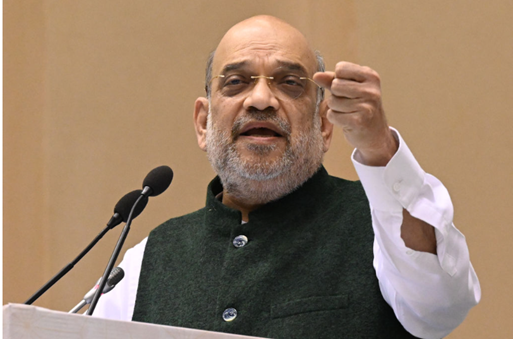
According to an official release, the cutting-edge
platform is designed to bring all of India’s land ports under a single, unified
digital system, placing them on par with airports and seaports in terms of
real-time logistics management and regulatory coordination. As promised by Home Minister Amit Shah,
the new system will deliver end-to-end digital workflows for both cargo and
passenger processing, covering slot booking, payments, real-time tracking and
single-window clearance, eliminating paperwork delays and reducing wait times
at border crossings. Operating as a neutral
and open platform, LPMS will enable seamless coordination between government
agencies and private operators alike. It will be fully integrated with major
national systems, including ICEGATE, ULIP and the Motor Vehicle Ecosystem,
making border management interoperable, efficient and transparent, the release
stated.
The launch comes
against the backdrop of a dramatic rise in cross-border activity. Since
2014-15, EXIM trade
through land ports has jumped from roughly Rs 5,000 crore to Rs 82,800 crore in
2024-25. Cargo vehicle movement has grown from 1.1 lakh to 6.69 lakh, and
passenger movement has surged from 1.7 lakh to 25.8 lakh, despite regional
geopolitical pressures. The
Land Ports Authority of India (LPAI), a statutory body under the Ministry of Home Affairs, currently
operates 15 land ports across India’s international borders with Pakistan,
Nepal, Bhutan, Bangladesh and Myanmar, the release noted. The LPMS launch is seen as a strategic step toward India’s ‘Viksit
Bharat’ goal for 2047, reinforcing the government’s commitment to trade
facilitation, regional connectivity and national security through technology.