




Office Address
123/A, Miranda City Likaoli Prikano, Dope
Phone Number
+0989 7876 9865 9
+(090) 8765 86543 85
Email Address
info@example.com
example.mail@hum.com


123/A, Miranda City Likaoli Prikano, Dope
+0989 7876 9865 9
+(090) 8765 86543 85
info@example.com
example.mail@hum.com
NOAA’s Climate Prediction Center now puts the
likelihood of the event reaching at least “strong” intensity at 88% between
November and January, with a 63% chance it becomes “very strong.” Should that
upper threshold be crossed, NOAA said the event “would rank among the largest
El Niño events in the historical record going back to 1950” – comparable to the
major El Niño events of 1997-98 and 2015-16, both of which left lasting marks
on shipping operations and freight markets.
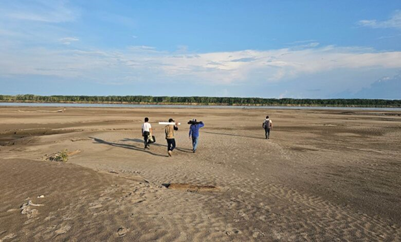
The 2023-24 El Niño triggered a severe drought at
the Panama Canal, forcing the Panama Canal Authority to impose draft
restrictions and slash daily transit numbers by as much as 40% below normal
levels. It took roughly a year for transits to fully normalise once the drought
eased. The ACP has already moved pre-emptively this year, announcing a
reduction in maximum authorised draft at the neopanamax locks to 49.5 feet
effective July 3 – explicitly citing the potential development of an El Niño
event as a key driver, even before NOAA’s official declaration. With the canal
authority now monitoring weekly, a confirmed strong-to-very-strong event
significantly raises the odds that more severe restrictions follow into the
2027 dry season. Analysts at Clarksons Research said that Panama is
already operating under increasing pressure from record US energy exports.
Product tanker transits reached record levels in April and May, while growing
volumes of liquefied petroleum gas and ethane exports have intensified
competition for available slots. Panama is not the only chokepoint exposed.
El Niño’s warming of the equatorial Pacific tends to disrupt the Walker
Circulation, reshaping rainfall and storm patterns across the Pacific basin and
beyond. Historically, strong El Niño events have been associated with reduced
rainfall and water stress in parts of Central America and Southeast Asia,
raising the prospect of knock-on effects for river and canal-dependent
logistics beyond Panama, including inland waterway transport in regions reliant
on monsoon-fed water levels. The
hurricane season picture cuts in a more favourable direction for shipping. El
Niño tends to increase wind shear over the Atlantic, which typically suppresses
tropical storm formation and intensification – a partial silver lining for
operators exposed to Gulf of Mexico and Caribbean trade routes during the
second half of 2026, even as Pacific-side disruption risk rises. Dry bulk and agricultural shipping
sectors face their own distinct exposure. El Niño has historically been
associated with shifts in rainfall patterns affecting major grain and soybean
producing regions, including drought risk in parts of Southeast Asia and
altered monsoon patterns affecting Indian and Australian agricultural output –
variables that feed directly into bulk carrier demand patterns and trade flows
over the coming twelve months.