




Office Address
123/A, Miranda City Likaoli Prikano, Dope
Phone Number
+0989 7876 9865 9
+(090) 8765 86543 85
Email Address
info@example.com
example.mail@hum.com


123/A, Miranda City Likaoli Prikano, Dope
+0989 7876 9865 9
+(090) 8765 86543 85
info@example.com
example.mail@hum.com
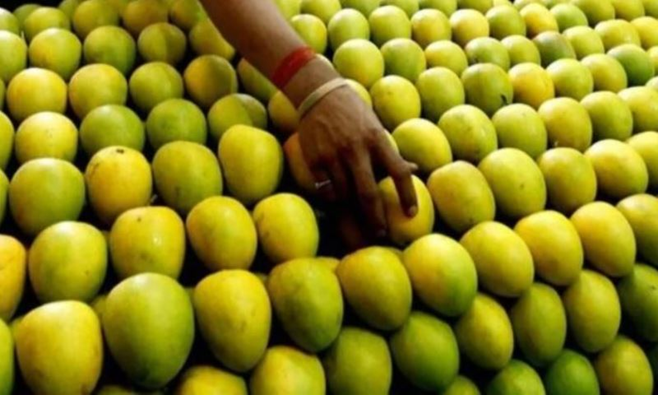
According to the latest data released by the
Directorate General of Commercial Intelligence and Statistics (DGCIS) and the
Agricultural and Processed Food Products Export Development Authority (APEDA),
exports of Indian mangoes to the UAE were valued at ₹144.41 crore in
2025–26. Shipments to the Gulf nation increased by 11,622 metric tonnes
over the previous year, reflecting sustained demand despite ongoing global
trade uncertainties. Industry estimates
suggest that Andhra Pradesh contributes around 8–10 per cent of India’s
total mango exports. “Mangoes from Andhra Pradesh, particularly
Benishan, Banganapalli and small Rasalu varieties, are seeing strong demand in
overseas markets,” said N. Srinivasa
Rao, a Vijayawada-based exporter. Beyond the UAE, Indian mango exports
also recorded healthy growth in several international markets. Exports to the United Kingdom increased in value from
₹76.09 crore in 2024–25 to ₹89.31 crore in 2025–26. Shipments to Nepal nearly doubled, with export
earnings rising from ₹9.15 crore
to ₹18.71 crore, supported by an
additional 5,772 metric tonnes
of exports during the year. Among
India’s most sought-after export varieties, Alphonso, Kesar and Khader continued to dominate international
markets, with officials noting particularly strong demand for Alphonso mangoes
in the UAE during the current season.
However, exporters
indicated that overall export performance could have been stronger if not for
geopolitical and trade-related challenges. Rising tensions in West Asia and
tariff-related restrictions in the United States impacted shipments to key
markets.
“Due to tariff-related issues, exports to the US
declined from ₹95 crore to ₹82 crore this year, even though
export volumes have generally improved,” an official said. Despite
these headwinds, industry stakeholders remain optimistic about the long-term
prospects for Indian mango exports, citing expanding opportunities across
Europe, the Middle East and Asia. “India exported mangoes to as many as 52 countries this year. However,
limited availability of advanced post-harvest treatment and compliance
facilities is restricting our full export potential,” said T. Sohan Kumar, a Bengaluru-based
trader.
Industry observers
emphasised that strengthening post-harvest infrastructure, expanding
irradiation and treatment facilities, and ensuring compliance with
international quality standards would significantly enhance India’s
competitiveness in the global mango trade, enabling exporters to tap growing
demand across premium international markets.