




Office Address
123/A, Miranda City Likaoli Prikano, Dope
Phone Number
+0989 7876 9865 9
+(090) 8765 86543 85
Email Address
info@example.com
example.mail@hum.com


123/A, Miranda City Likaoli Prikano, Dope
+0989 7876 9865 9
+(090) 8765 86543 85
info@example.com
example.mail@hum.com
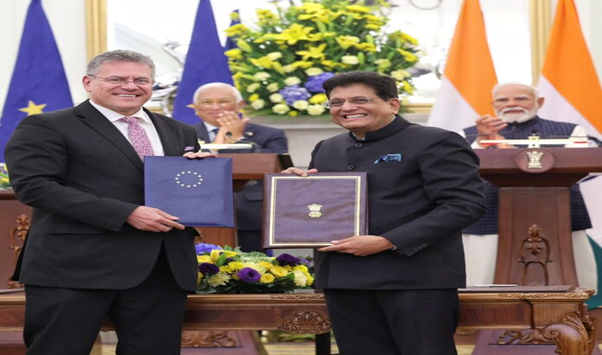
The minister also highlighted the implementation of
the Double Contribution Convention Agreement from July 15, saying it would
benefit Indian professionals temporarily working in the UK.
“Regarding our young men and women who go there to
work–often for two, three, or five years… previously, about 25 per cent of
their salary was effectively wasted; the local government would take it, and
the worker received no benefit from it. Now, we have finalised a ‘Double
Contribution Convention Agreement’ that will also come into effect on the
15th,” he said.
According to Goyal,
Indians going to the UK for work for up to five years will no longer lose that
contribution.
“For Indians going
there to work in the services sector or other jobs for up to five years, the 25
per cent of their salary that was previously taken by the local government will
now be deposited into their Provident Fund accounts in India. That money will
belong to them; it earns 8.25 per cent tax-free interest and serves as a
support for their old age, ensuring social security for their families,” he said. Calling the agreement a major achievement,
Goyal said it goes beyond merchandise trade.
“I believe it is a testament to Prime Minister
Narendra Modi’s able leadership that the UK-India Free Trade Agreement not only
addresses merchandise and goods and boosts the services sector, but also brings
a significant gift for the thousands of people working and providing services
there,” he said.
The India-UK Free
Trade Agreement is aimed at expanding bilateral trade by reducing or
eliminating tariffs on a wide range of goods while also improving market access
for services. The agreement is expected to benefit key Indian export sectors
such as textiles, apparel, engineering goods, gems and jewellery, marine
products and auto components, while also strengthening economic ties between the
two countries. The accompanying Double
Contribution Convention is designed to prevent Indian professionals on
short-term assignments in the UK from making social security contributions in
both countries, reducing their employment costs and improving their long-term
retirement savings.