




Office Address
123/A, Miranda City Likaoli Prikano, Dope
Phone Number
+0989 7876 9865 9
+(090) 8765 86543 85
Email Address
info@example.com
example.mail@hum.com


123/A, Miranda City Likaoli Prikano, Dope
+0989 7876 9865 9
+(090) 8765 86543 85
info@example.com
example.mail@hum.com
The decision,
issued through a new circular, aims to simplify customs compliance for shipping
lines, Non-Vessel Owning Common Carriers (NVOCCs), steamer agents and their
authorised representatives while reducing administrative burden and transaction
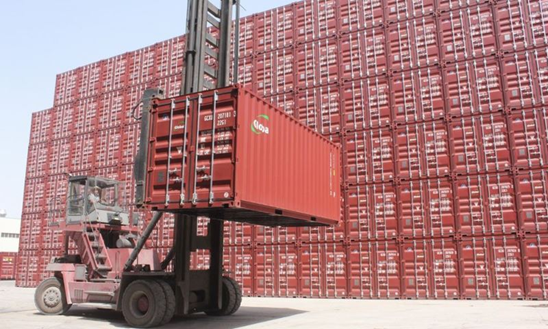
costs. Under the existing system, shipping lines were required to manually
intimate Customs authorities regarding the movement of containers outside the
customs area. Manual bonds executed by carriers were subsequently debited and
credited based on Import General Manifest (IGM), Sea Arrival Manifest (SAM),
Export General Manifest (EGM) and Sea Departure Manifest (SDM) electronic
filings.
As part of the revised framework, the Directorate
General of Systems (DG Systems) will electronically monitor the movement of
duty-free imported containers. Reports identifying containers that are not
re-exported within the stipulated six-month period will be generated
automatically and published on the ICEGATE portal. The
reports will be accessible to shipping lines as well as Customs officers for
initiating appropriate action under the Customs Act, 1962 wherever
required. Shipping lines, NVOCCs,
steamer agents and their authorised agents will continue to execute customs
bonds without the requirement of furnishing surety, while the cumbersome
process of manual debit and credit of bonds for every transaction will be
eliminated. According to CBIC,
the new mechanism is expected to significantly reduce paperwork, improve
operational efficiency and save time and costs for all stakeholders. The circular also aligns with the “One Nation One Port Process”
initiative of the Ministry of Ports, Shipping and Waterways, which has
recommended modernisation of Terminal Operating Systems (TOS) and Port
Operating Systems (POS) to eliminate manual approvals and verification during
gate-in and gate-out operations. CBIC noted that the automation of container
movement records will enhance supply chain security while removing the need for
physical verification of container movements at port and terminal gates. To
support complete process automation, Customs field formations have been
directed to coordinate with DG Systems and port and terminal operators for the
development and integration of electronic gate systems capable of capturing
container movements directly from customs areas. Port
and terminal operators will also be required to maintain electronic records of
all containers entering or exiting notified customs areas. CBIC has instructed
all field formations to implement the revised procedures in a trade-friendly
manner and issue suitable public notices for stakeholders. Any
implementation-related difficulties may be brought to the notice of the Board.
The move is
expected to strengthen India’s ongoing customs digitisation programme while
facilitating faster cargo movement, reducing compliance costs and supporting
the government’s broader objective of creating a seamless and paperless
logistics ecosystem.