
Office Address
123/A, Miranda City Likaoli Prikano, Dope
Phone Number
+0989 7876 9865 9
+(090) 8765 86543 85
Email Address
info@example.com
example.mail@hum.com


123/A, Miranda City Likaoli Prikano, Dope
+0989 7876 9865 9
+(090) 8765 86543 85
info@example.com
example.mail@hum.com
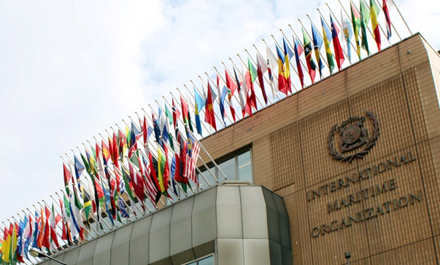
According to Pouria
Kolivand, Permanent Representative of the Ports and Maritime Organisation of
Iran to the International Maritime Organization (IMO), the implementation of
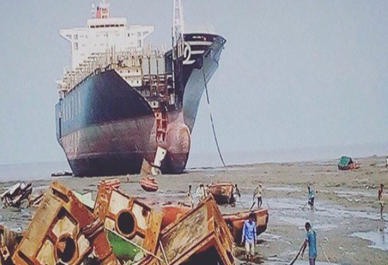
the convention heralds a new era in ship recycling practices. The Hong Kong Convention, adopted in 2009, establishes
comprehensive global regulations for safe and environmentally responsible ship
dismantling. The IMO has spent over two decades preparing the regulatory
framework, with initial guidelines dating back to 2003.
Kolivand noted that
under the convention, all ships reaching the end of their operational life must
carry an Inventory of Hazardous Materials (IHM), which is subject to inspection
and approval. This inventory is a prerequisite for initiating the recycling
process. In addition, authorised recycling facilities must
prepare a Ship-Specific Recycling Plan for each vessel. This plan must detail
all recycling procedures and outline how hazardous materials will be managed
safely.
The convention
assigns clear responsibilities to shipowners, shipbuilders, flag states, port
states, and recycling-state governments to ensure ship dismantling is carried
out in a safe, hygienic, and environmentally compliant manner.
To support implementation, the IMO has adopted several
key technical guidelines, including:
• 2011 Guidelines for the Development of the Ship Recycling Plan
• 2012 Guidelines for Safe and Environmentally Sound Ship Recycling
• 2012 Guidelines for the Authorisation of Ship Recycling Facilities
• 2012 Guidelines for the Survey and Certification of Ships
• 2023 Guidelines for the Development of the Inventory of Hazardous
Materials
• 2024 Interim Guidance on Harmonised Implementation of the Hong Kong and
Basel Conventions
The enforcement date was officially set in June 2023,
following the accession of Bangladesh and Liberia and the fulfillment of all
entry-into-force criteria. Currently,
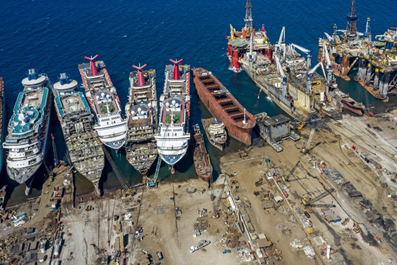
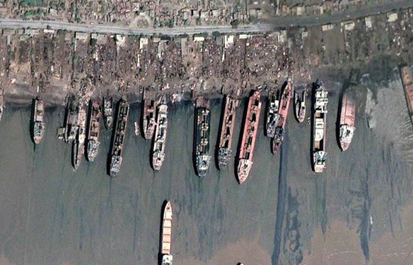
around 90 percent of global ship recycling occurs in five countries:
Bangladesh, China, India, Pakistan, and Turkey. Of these, Bangladesh, India,
and Turkey are parties to the convention.
The IMO-Norway joint project SENSREC, launched in 2015 in Bangladesh, has significantly improved the country’s environmental standards, occupational safety, workforce training, and legal and technical infrastructure, facilitating its accession. Kolivand emphasised that the convention’s implementation represents a major step toward sustainable maritime development by enhancing environmental safety, improving working conditions, reducing energy waste, and preventing global pollution. He called on shipping companies, port industry managers, regulatory authorities, and ship recycling operators to begin aligning their operations with the convention’s requirements well in advance of the enforcement date.