

Office Address
123/A, Miranda City Likaoli Prikano, Dope
Phone Number
+0989 7876 9865 9
+(090) 8765 86543 85
Email Address
info@example.com
example.mail@hum.com


123/A, Miranda City Likaoli Prikano, Dope
+0989 7876 9865 9
+(090) 8765 86543 85
info@example.com
example.mail@hum.com
Titled “Development of Integrated Simulation Platform for
Sustainable and Competitive Maritime Industry”, the five-year project will
be led by MTI Co., Ltd., a NYK Group company. Other key partners include
Mitsubishi Shipbuilding, TSUNEISHI SHIPBUILDING, Japan Marine United
Corporation, Mitsui E&S, the Japan Agency for Marine-Earth Science and
Technology, and several top research universities including Osaka and Kyoto.
The initiative is part of the Japanese government’s Key and
Advanced Technology R&D through Cross Community Collaboration Program (K
Program), designed to strengthen Japan’s long-term competitiveness in critical
technology sectors.
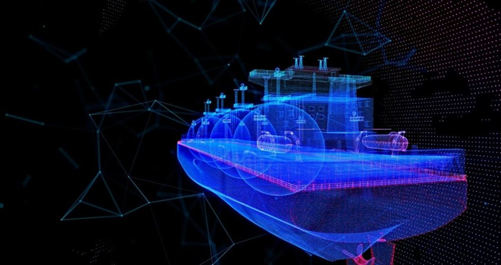
At the heart of the project is the development of an Integrated
Simulation Platform that will allow shipbuilders to design vessels
optimized for alternative fuel use—such as ammonia, hydrogen, and
methanol—while also incorporating energy-saving systems like wind propulsion
and advanced autonomous navigation.
The shift toward cleaner fuels is seen as essential for meeting
international decarbonisation targets. Japan’s maritime sector, a global leader in ship design and construction,
is looking to stay ahead by reimagining the development process for vessels
that are both environmentally sustainable and commercially viable.
The platform will use virtual
engineering to simulate the entire ship lifecycle—from concept and design to
construction and operation—allowing for early-stage integration of green
technologies and supply chain factors. The aim is to reduce lead times,
manage complexity, and increase design precision, even as the workforce shrinks
and global demand for cleaner vessels grows. Another key component of the project is the integration of
high-resolution, seasonal environmental forecasting. This system will
predict ocean and weather conditions up to three months in advance, helping
shipbuilders design vessels capable of safe and efficient operation under
changing climate conditions, including extreme weather events.
With a total R&D allocation of up to JPY 12 billion, this initiative is one
of the most comprehensive maritime technology programs currently underway in
Japan. It reflects a coordinated
national effort to maintain leadership in the global maritime industry while
aligning with long-term climate and energy goals. The project is expected
to formally begin following final approval from the K Program’s governing body.