Ship Recycling Showing Mixed Performance?
Local sentiment improved on the back of these
developments. Buyers grew keener to purchase vessels, with an overall feeling
that the market could continue to move upwards in the near term. Steel demand
continues to hold up better than previously expected, adding confidence to the
broader market outlook. Availability of tonnage remains scarce across all three
subcontinent locations, with buyers becoming keener”.
“Meanwhile, the Bangladeshi market remained largely
quiet this week, although buying interest improved, with a clear preference for
fresh candidates; overall participation, however, stayed limited due to
HKC-related constraints. Tonnage availability remained extremely tight, with
only a limited number of units in circulation. Domestic steel markets were
largely unchanged, with minimal week-on-week movement reported. With elections
approaching, sentiment stayed cautious, as the outcome is expected to influence
near-term confidence and broader market conditions. The Pakistani market
remained firm this week, supported by continued demand from end buyers. While
broader economic conditions remain challenging, buyer sentiment improved and
purchasing appetite remained evident. The inflow of lower-priced steel from
Iran has paused amid ongoing unrest, providing end buyers with some relief and
contributing to improved buying interest.
Finally, in Turkiye, “the market remained stable this week, both locally
and on import. Several import fixtures were reported, with delivery from the
end of Feb to early March, reflecting steady activity”, Best Oasis concluded.
In a
separate report, shipbroker Intermodal, said that “last week, the
Subcontinent’s ship recycling activity displayed varied trends, with Pakistan
and Bangladesh recording modest improvements, supported by firming local steel
markets. In India, the minor correction seen in steel plate prices, had little
impact on ship recycling offers. Although Indian recyclers continue to express
active interest for purchases, their competitiveness remains questionable compared
with other subcontinent markets. Limited activity was nevertheless witnessed at
Alang, though the continued weakness of the Rupee persists as a downside risk
to the outlook.
On a more positive note, the EU and India affirmed
cooperation on sustainable ship recycling, supporting HKC and the EU’s approval
of compliant Indian yards under the EU Ship Recycling Regulation. Pakistan’s
ship recycling sector is showing early signs that momentum may begin to build,
as competitive offers continue to attract owners. Recent
acquisitions of small and mid-sized bulkers, point to improving performance.
This gradual pickup, supported by tangible progress on environmental compliance
following the HKC certification of a second yard, cautiously lifts sentiment. Meanwhile,
domestic steel fundamentals remain stable, backed by the absence of Iranian
imports and firmer demand. On the policy side, steady interest rates
underscore the central bank’s efforts to maintain price stability. In
Chattogram, ship recyclers are showing renewed engagement, with interest in
fresh tonnage gradually rising even as offer levels remain largely stable.
Following a quiet period, several candidates from the dry, wet, and LNG
segments are now being circulated, signaling renewed activity as Bangladeshi
buyers strategically reposition themselves in an increasingly competitive
demolition landscape. This is further reinforced by an improving steel sector,
as demand from local mills firms to rebuild their stocks.
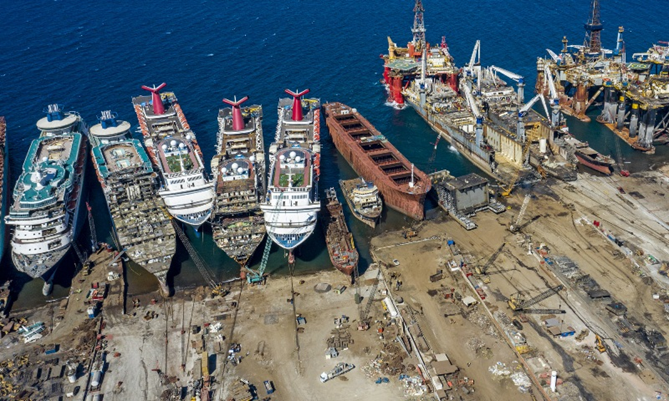
Finally, in Turkey the yards remains active, driven by a steady flow of incoming tonnage. At the same time, the steel market is exhibiting healthy conditions, supported by balanced domestic demand and exports”, the shipbroker concluded.

Related News