

Office Address
123/A, Miranda City Likaoli Prikano, Dope
Phone Number
+0989 7876 9865 9
+(090) 8765 86543 85
Email Address
info@example.com
example.mail@hum.com


123/A, Miranda City Likaoli Prikano, Dope
+0989 7876 9865 9
+(090) 8765 86543 85
info@example.com
example.mail@hum.com
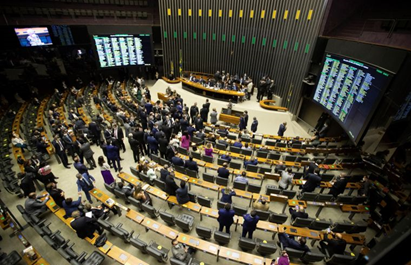
The accord —negotiated for more than 25 years— was
signed in Asunción on January 17, 2026, and sets out a gradual reduction of
tariffs on most two-way trade, with sector-specific phase-in schedules. The
European Union has published the agreement’s text and describes the package as
a broader “Partnership Agreement” alongside an “Interim Trade Agreement.”
Brazil’s ratification strengthens Mercosur’s
internal momentum after
Uruguay and Argentina recently moved the deal through their own parliaments. In
Montevideo, lawmakers backed ratification by an overwhelming margin; in Buenos
Aires, the Senate approved it 69–3 after the Chamber of Deputies had already
endorsed the treaty, according to Associated Press coverage. Even with Mercosur’s national
legislatures advancing the pact, the timeline for entry into force hinges on
the European process. Within the EU, the file remains intertwined with legal
and institutional steps and with domestic political pressures, particularly
around agricultural sensitivities in several member states. In that context,
European officials have floated provisional application of parts of the deal
while ratification procedures continue.
In Brazil, supporters
framed the agreement as a vehicle to expand exports, attract investment and
lock in predictable trade rules with one of the country’s key economic partners
outside Asia. Critics have pointed to adjustment risks for sensitive sectors
and have argued for safeguards if liberalization accelerates.
Paraguay
—the remaining founding member yet to complete its legislative track— is
expected to take up the agreement in the coming weeks, according to recent
reporting on the ratification calendar.