




Office Address
123/A, Miranda City Likaoli Prikano, Dope
Phone Number
+0989 7876 9865 9
+(090) 8765 86543 85
Email Address
info@example.com
example.mail@hum.com


123/A, Miranda City Likaoli Prikano, Dope
+0989 7876 9865 9
+(090) 8765 86543 85
info@example.com
example.mail@hum.com

More than a quarter of
insurance industry professionals believe cyber insurance will see the strongest
increase in demand as geopolitical tensions escalate, according to a poll
conducted by GlobalData.
GlobalData’s Q3 2025 poll reveals that 27.4 per cent of
respondents see cyber insurance as the commercial line most likely to
experience increased demand due to geopolitical instability.
The poll results
indicate that cyber insurance is now viewed as a more immediate pressure point
than several traditional geopolitical covers.
Cyber insurance ranked
ahead of political risk insurance (25 per cent), supply chain insurance (23.8
per cent), and business interruption insurance (13.1 per cent), suggesting that
industry participants increasingly expect geopolitical shocks to translate into
heightened digital security incidents.
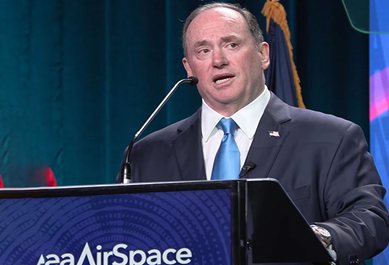
Charlie Hutcherson, Insurance Analyst at GlobalData, comments: “Geopolitical
flashpoints are increasingly being priced not just through marine war-risk and
political risk lines, but through expectations of cyber escalation.
“GlobalData’s
poll shows cyber insurance is viewed as the commercial product most likely to
see rising demand, as businesses anticipate a higher probability of disruptive
cyber events alongside physical disruption to trade routes.” Recent developments in the Middle East
further illustrate how geopolitical conflict can affect insurance markets
across multiple lines.
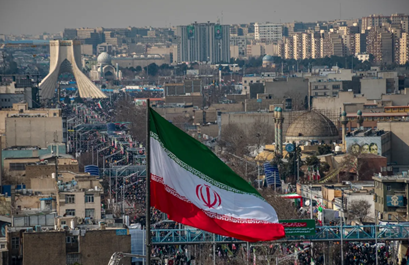
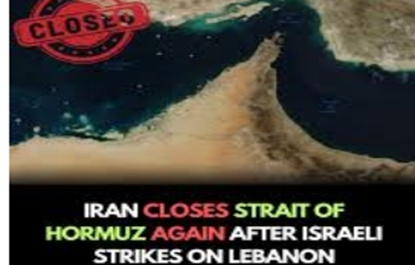
Reports indicate that
several maritime insurers have suspended war-risk coverage for vessels entering
the Persian Gulf and surrounding waters, while premiums for ships transiting
the Strait of Hormuz have risen as underwriters reassess the
threat environment around one of the world’s most strategically important
energy corridors.
Separately, the US Development Finance Corporation has signalled readiness to
extend political risk insurance and guarantees for maritime trade, while
the US has indicated
that naval escorts may be deployed to protect tanker traffic.
Charlie Hutcherson concludes:
“While underwriters are already reassessing exposures tied to shipping and
energy corridors such as the Strait
of Hormuz, the bigger shift is that companies are planning for conflict
spillover into Western markets through cyber activity.
“As a result, insurers will face additional
pressure to refine cyber risk appetite, pricing, and accumulation management if
they want to meet customer needs and retain business in an increasingly
volatile environment.”