




Tehran’s selective authorisation of Hormuz transits splits shipping
President Donald Trump’s public plea over the weekend for a naval
coalition to open and make the strait safe has produced little immediate
action. Trump urged countries to “send ships to the area so that the Hormuz
Strait will no longer be a threat,” but governments have been cautious. US
secretary of energy Chris Wright said he was in dialogue with some of the
countries mentioned and expected China “will be a constructive partner,” yet no
firm commitments have been announced. France and Germany voiced reservations; Germany’s
foreign minister called the idea “sceptical,” and analysts question whether
major powers will place warships directly into a hot conflict zone.
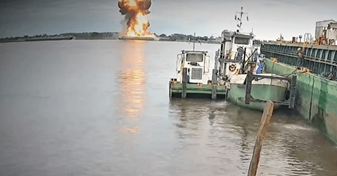
The security picture worsened over the weekend with the US targeting
Iran’s crude export hotspot, Kharg Islands, while Fujairah – a key global
bunkering hub – suffered a drone strike that set fire to facilities in the
Fujairah Petroleum Industries Zone. Authorities reported ongoing efforts to contain fires and confirmed
one minor injury, while oil loading operations were reported to have resumed
but not yet returned to normal. An Indian‑flagged vessel has departed Fujairah
carrying crude, with many security analysts now suggesting Tehran will let
ships belonging to friendly nations pass by its shores unscathed.
As access to Hormuz becomes a geopolitical tool rather than a simple
shipping lane, analysts flag a new reality. “Access to the Strait may increasingly be managed through selective
authorization rather than normal commercial freedom of navigation, with some
vessels permitted passage based on operational or diplomatic considerations,”
maritime analytics platform Windward said..
Shipping analysts at HSBC note widespread disruption to container
shipping: vessels are avoiding the strait and unloading at peripheral Gulf
ports, worsening regional congestion and pushing carriers to consider distant
alternatives such as Colombo. The bank highlights mounting equipment imbalances
as empty boxes struggle to return to Asian hubs.
On the tanker markets, HSBC noted today: “Tankers are now competing for
available cargoes and repositioning to alternative loading ports in the ME,
West Africa, and the US Gulf, adding to supply‑side pressure,” warning the
disconnect between headline Middle East rates and actual fleet earnings is
widening.
Related News