



Trump’s Strait call to arms falling on deaf ears
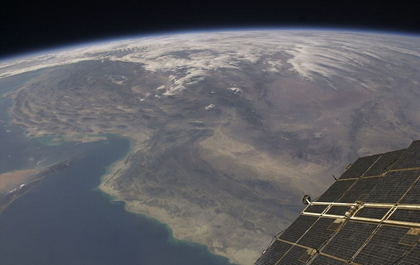
Iran’s stranglehold on the throat of global trade is showing no signs
of loosening, except for those vessels granted passage by Iranian
authorities. The call from Washington to its allies and other ‘interested parties’
to secure the Strait of Hormuz appears to have failed for a range of reasons
but could be seen as an acceptance by the Trump administration that it, along
with Israel are not able to reopen this vital navigational chokepoint
alone.
According to Corey Ranslem, CEO at risk
intelligence platform Dryad Global: “The requirement to protect ships in the
Straits will depend on the Iranian military strike capabilities. That will
really dictate what is needed to secure the Straits.” Ranslem, however, points out that the
other critical piece of the puzzle will be the London insurance market. “Even if there are military ships in the
region and they are providing escorts, the London insurance market still might
not like the risk. If the coverage is difficult to get or very expensive, ships
will not be moving through the region either,” said Ranslem.
The UK, America’s most willing partner in past conflicts, has said it
will not deploy its military unless there is a coherent plan on the table
outlining the mission’s aims, and that no such plan currently exists. Japan
and Australia have also refused to send naval vessels, while the EU will meet
today to decide whether to extend the Aspides mission operating around the Red
Sea to the Arabian Gulf. It is understood that Aspides currently has an Italian
and a Greek vessel under its command with a second Italian vessel and French
ship also on call.
“The conversation on Monday will be about trying to have more member
states contribute further capacities,” a senior EU official told Reuters yesterday.
(15 Mar)
Germany’s Foreign Minister Johann Wadephul was to the point, when he
reportedly claimed Aspides was not even effective in carrying out its current
task.
From Sceptical Germans to reluctant British prime ministers, the
threat by Trump that “it would be very bad for NATO” if support was not
forthcoming seems to have been ineffective due to a reluctance to be drawn into
a wider conflict with no clear aims.
Other states are making different
arrangements, with Turkey negotiating the safe passage of one vessel last week
and waiting on clearance for others. France and Italy are in negotiations with
Iranian officials to open the strait to their vessels, according to Al Jazeera
reports. South Korea said it is monitoring the situation.
China’s Ministry of Foreign Affairs is
calling for a ceasefire and for “all parties to have the responsibility to
ensure stable and unimpeded energy supplies.”
Related News