


APSEZ in Talks to Sell Up to 49% Stake in Vizhinjam Port to MSC
The proposed
transaction would make MSC, currently the port’s largest customer, a strategic
shareholder in India’s first dedicated deep-water container transshipment hub.
The move is in line with APSEZ’s strategy of partnering with major global
shipping lines to attract cargo volumes and strengthen terminal
operations. APSEZ already operates
successful joint ventures with MSC’s terminal arm, Terminal Investment Ltd
(TiL), and French shipping major CMA CGM at Mundra Port. TiL also owns a 49 per
cent stake in the container terminal operated by APSEZ at Kamarajar Port in
Tamil Nadu. The stake sale
discussions are understood to be consistent with the concession agreement
signed between APSEZ and the Government of Kerala, which permits the port
operator to dilute its shareholding subject to regulatory approvals.
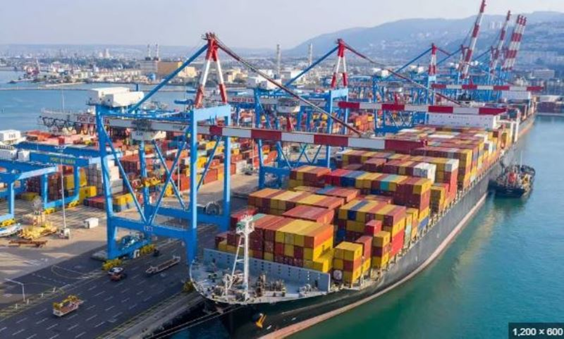
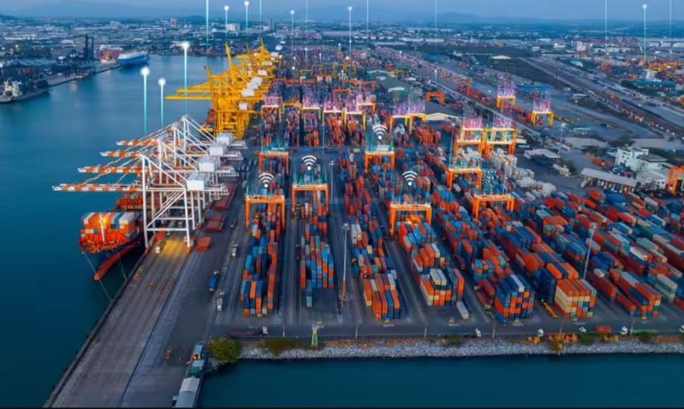
Vizhinjam Port commenced commercial operations on December
3, 2024, and has achieved the milestone of handling over 2 million twenty-foot
equivalent units (TEUs) within just 18 months, making it the fastest port in
India to reach that mark. Industry sources indicate that a significant portion
of this volume has been generated through MSC services.
The milestone underscores Vizhinjam’s rapid emergence
as a globally competitive transshipment hub. Since operations began, the port
has handled more than 950 vessels, including 67 ultra-large container vessels
(ULCVs). It has hosted some of the world’s largest container ships, including
MSC Irina and MSC Verona.
Located just 10 nautical miles from the busy
international east-west shipping corridor, Vizhinjam offers a strategic
geographic advantage for cargo movement between Asia, Europe, Africa and the
Middle East. Its natural draft of around 20 metres allows it to accommodate the
largest container vessels currently in operation, enhancing operational
efficiency and reducing vessel turnaround times.
The port’s growth is
expected to help India reduce its long-standing dependence on foreign
transshipment hubs such as Colombo, Singapore, Jebel Ali and Port Klang. By
retaining more transshipment cargo domestically, Vizhinjam is expected to
strengthen India’s position in global maritime trade. To support future growth, APSEZ has begun
work on a major expansion project worth approximately ₹16,059 crore ($1.75
billion), which will increase the port’s annual handling capacity by 4.1 million
TEUs. Upon completion in 2028, Vizhinjam’s total capacity will rise from 1
million TEUs to 5.1 million TEUs, with operational capability expected to reach
as high as 5.7 million TEUs annually through automation and efficiency
improvements.
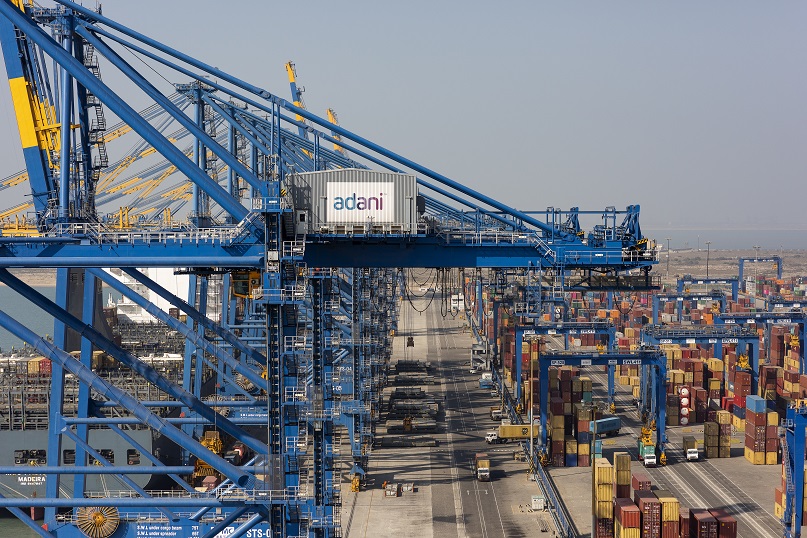
The expansion includes extending the existing container
berth from 800 metres to 2,000 metres, enabling the simultaneous berthing of up
to five mother vessels. The project also includes the installation of 12
additional ship-to-shore cranes and 27 new yard cranes. The expanded facility will be capable of
handling next-generation container vessels carrying up to 28,000 TEUs,
positioning Vizhinjam as a major regional transshipment hub serving the Indian
subcontinent, Africa, the Middle East and other global trade corridors. The
developments come amid growing geopolitical uncertainties and supply-chain
disruptions that are prompting shipping lines to seek resilient and
strategically located maritime infrastructure. Meanwhile, MSC’s plans to increase its Indian
presence have gained importance following the government’s decision to roll
back the cabotage waiver that had allowed foreign-flag vessels to transport
transshipment cargo and empty containers along India’s coast without special
licences. Although the withdrawal was initially scheduled to take effect in
April, the implementation has been deferred until October 2026.
Industry
stakeholders have expressed concerns over the rollback. Speaking to ET Infra,
Sunil Vaswani, Executive Director of the Container Shipping Lines Association
(CSLA), warned that the move could adversely affect the availability of empty
containers, increase logistics costs and impact the efficiency of container
movement across Indian ports.
Related News