

Office Address
123/A, Miranda City Likaoli Prikano, Dope
Phone Number
+0989 7876 9865 9
+(090) 8765 86543 85
Email Address
info@example.com
example.mail@hum.com


123/A, Miranda City Likaoli Prikano, Dope
+0989 7876 9865 9
+(090) 8765 86543 85
info@example.com
example.mail@hum.com
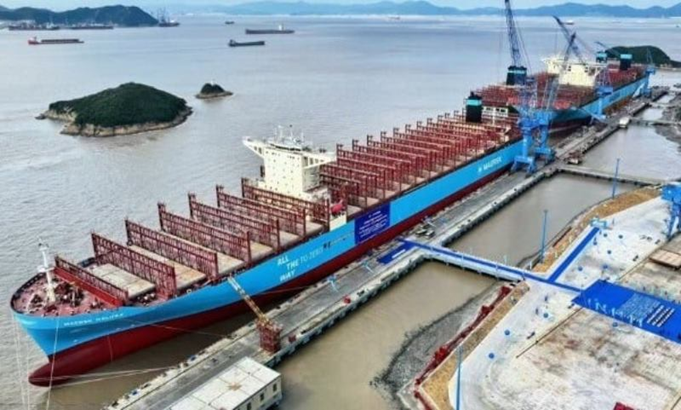
The consortium also includes HIF Global, Fuella, NYK Line, Höegh
Autoliners, and Wallenius Wilhelmsen. The consortium will assess
infrastructure, vessels, and business models to create a roadmap for
transporting zero-carbon fuels produced in Açu, such as e-ammonia or
e-methanol. The transport itself would also be powered by the same zero- or
near-zero-emission fuels. The new
consortium builds on a pre-feasibility study developed by RMI and the Global
Maritime Forum in November 2025.
The study highlighted the competitive projected
costs of e-fuel produced in Açu, due to Brazilian policies supportive of green
hydrogen production, the country’s largely renewable electricity grid, its
abundance of renewable energy sources, and a relatively low cost of
capital. The feasibility analysis is expected to be published by the end of the
year, with the consortium meeting regularly in the meantime. Green shipping
corridors are dedicated trade routes where the feasibility of zero-emission
shipping is catalysed by public and private action. These routes are seen as
central to achieving the shipping industry’s goal of zero-emission fuels
accounting for 5% of all fuels by 2030.
While green corridors have rapidly expanded in popularity worldwide, and
a handful of initiatives have now reached the realisation stage, the most
recent edition of the Annual Progress Report on Green Shipping Corridors warned
that progress is being stalled by a ‘feasibility wall’ created by the cost gap
between conventional and zero-emission fuels.