




Office Address
123/A, Miranda City Likaoli Prikano, Dope
Phone Number
+0989 7876 9865 9
+(090) 8765 86543 85
Email Address
info@example.com
example.mail@hum.com


123/A, Miranda City Likaoli Prikano, Dope
+0989 7876 9865 9
+(090) 8765 86543 85
info@example.com
example.mail@hum.com
“Islamabad MoU shall enter into force
with immediate effect and as a first step, Islamic Republic of Iran will
instantly reopen the Strait of Hormuz and the United States of America will
immediately lift the naval blockade,” Pakistan Prime Minister Shebaz Sharif
posted on X. The MoU between the US and Iran was brokered by Pakistan and
Qatar. How quickly the Strait will
really reopen will really be seen with the threat of mines remaining in the key
waterway. The MoU takes the form of
a 14-point document of which points four and five deal with the US blockade and
the Strait of Hormuz. Point
four on the US blockade states: “Immediately upon the signing of this MoU, the
United States of America will begin the removal of its naval blockade and any
disturbances or impediments against the Islamic Republic of Iran, and will
fully end the naval blockade within 30 days. During this period, the traffic of
vessels will be in proportion to the numbers of pre-war traffic being restored
by the Islamic Republic of Iran.”
In a sign that the US was already relaxing the blockade even before
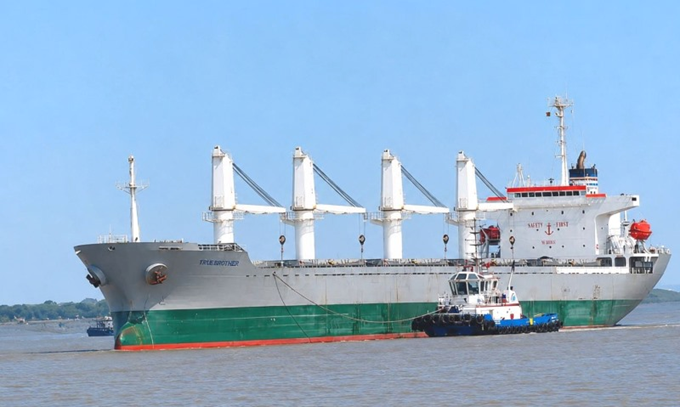
the MoU was signed three Iranian tankers loaded with crude oil the NITC VLCCs
Diona and Hero 2 and Suezmax Sonia 1 exited the blockade earlier in the week,
the first such shipping movements in two months.
Point five on the Strait of Hormuz
states: “Upon the signing of this MoU, the Islamic Republic of Iran will make
arrangements using its best efforts for the safe passage of commercial vessels
with no charge, for 60 days only, from the Persian Gulf to the Sea of Oman and
vice versa. The traffic of commercial vessels will immediately start, and
considering the need for removing the technical and military obstacles, and
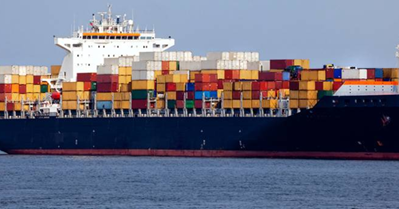
demining by the Islamic Republic of Iran will be instated within 30 days.” Prior to the conflict around 138 vessels a day transited the waterway
carrying around 20% of the world’s oil and gas supplies and around 20- 30% of
global fertiliser volumes. The region also accounts for around 10% of container
shipping volumes that move via the Strait. Shipping traffic may be reluctant to
return as is explored by Punit Oza, Founder of Maritime NXT - A ceasefire is
not a peace deal. A few ships
could be seen exiting the Strait on 18 June morning with French-flagged LNG
Mraikh and Hong Kong-flagged tanker Ye Chi
crossing the Strait in Iranian waters to the south of Larak Island at
09:15 hrs Iranian time, while a Cook Islands-flagged tanker had made the same
transit earlier, based on AIS tracking data from Pole Star Global.
On the longer term future of navigation in the Strait the MoU states:
“The Islamic Republic of Iran will conduct dialog with the Sultanate of Oman to
define the future administration and maritime services in the Strait of Hormuz
in discussion with other Persian Gulf littoral states in line with the
applicable international law and the sovereign rights of coastal states of the
Strait of Hormuz.”
What form this will take remains unclear
and there are concerns that it could include a toll by another name in the form
of some kind of navigational or security fee charged to ships, however, such a
move would likely face opposition from other Gulf states dependent on the
Strait for shipping access to the wider world. Control of the Strait of Hormuz
has been a central point of leverage for Iran in the conflict and it has tried
to enshrine this in its national laws with the creation of the Persian Gulf
Strait Authority and charging a toll for ships transiting through its
waters. An immediate priority will
be the evacuation of ships that have been stranded in the Gulf region since the
start of the war on 28 February with an estimated 20,000 seafarers on onboard.