IMO unveils long-awaited Hormuz evacuation plan
“After months of
hardship and distress for thousands of innocent seafarers, and negative impact
for the whole world, I welcome with deep satisfaction the peace agreement
concluded between the United States and Iran, marking a decisive step towards
restoring maritime security and bringing to an end the unacceptable attacks
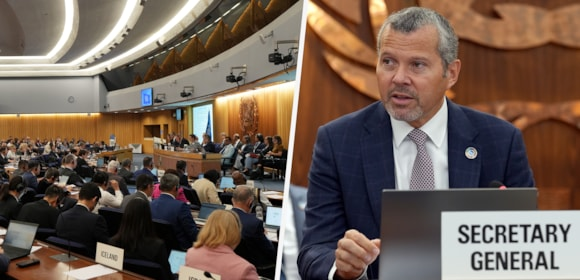
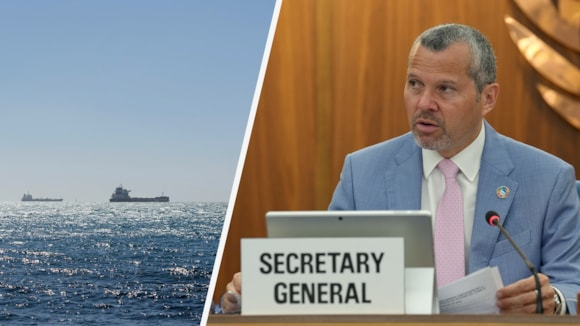
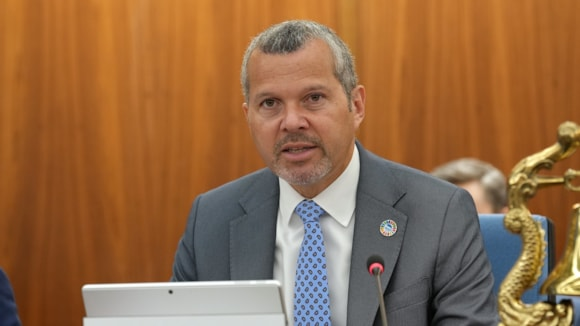
against civilian shipping,” said IMO Secretary General Arsenio Dominguez. “I
want to pay tribute to the fourteen innocent seafarers who tragically lost
their lives during this conflict. Their dedication in service of global trade
will not be forgotten.” “We have
secured the necessary safety guarantees and have thoroughly verified the
conditions for safe navigation to support these operations.” “We remain fully committed to ensuring the
safety of seafarers and the continuity of global trade.”
More specifics of what the evacuation plan involves
are set out in a notice to mariners issued by the Sultanate of Oman thar notes
that the safety of navigation remains the paramount consideration. given the
elevated risk of collision in the current environment, a gradual and controlled
evacuation of vessel traffic is required.
To mitigate these
risks, says the notice, IMO has developed a phased approach based on groups of
vessels with the full coordination of the Omani authorities. “Current reports indicate that the TSS
(traffic separation scheme is not safe for use at this time,” says the notice.
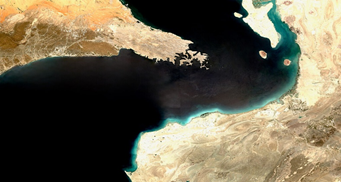
“Based on available information from the IMO, two temporary routes may be
utilized by vessels departing through the strait of hormuz: one south of the
existing traffic separation scheme (TSS) and one to the north. “Vessels included in the designated groups
will be contacted individually and provided with further instructions regarding
their departure by relevant parties coordinated by the IMO. “Instructions for transit: vessels will be
contacted individually and advised of their allocated transit day by the
parties coordinated by IMO.”
Related News