




Office Address
123/A, Miranda City Likaoli Prikano, Dope
Phone Number
+0989 7876 9865 9
+(090) 8765 86543 85
Email Address
info@example.com
example.mail@hum.com


123/A, Miranda City Likaoli Prikano, Dope
+0989 7876 9865 9
+(090) 8765 86543 85
info@example.com
example.mail@hum.com
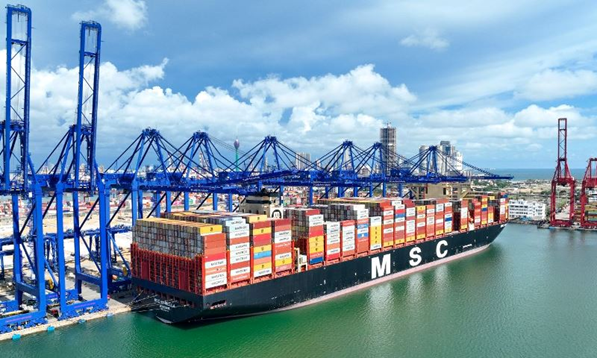
The claim was made in a letter submitted to the Kerala
government seeking approval for APSEZ’s proposal to sell a 49% equity stake in
Adani Vizhinjam Port Pvt. Ltd. to Switzerland-based MSC for ₹13,000 crore,
a transaction being described as the largest foreign private investment in
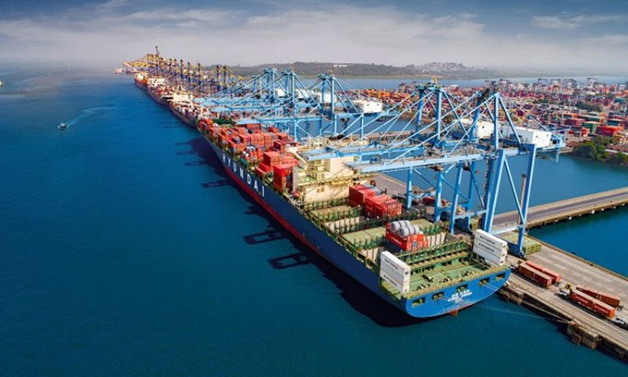
Indian port infrastructure. According to APSEZ, the partnership with
MSC—the world’s largest container shipping line—will enable Vizhinjam to
attract a significant volume of transshipment cargo currently handled by
Colombo and other regional hubs. The company highlighted that the collaboration
would accelerate the development of the port ecosystem, generate employment,
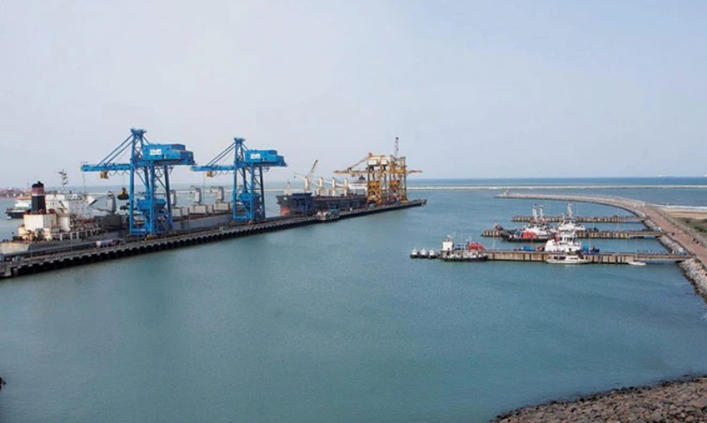
and strengthen India’s role in international maritime trade. The port’s ongoing Phase II expansion, scheduled for completion by December 2028, will increase Vizhinjam’s
container handling capacity by nearly 3.5
times, from the current level to 5.7
million TEUs, positioning it among the leading transshipment hubs in the
region. Adani Ports CEO Ashwani
Gupta said the strategic alliance would allow MSC to leverage Vizhinjam’s
proximity to the major East-West shipping corridor and redirect cargo that
currently transits through Colombo. He added that the partnership would also
enhance connectivity with emerging markets, including East Africa and
Bangladesh, while creating new opportunities for local businesses and
employment. APSEZ reiterated that Vizhinjam
will continue to operate as a common-user terminal, providing
non-discriminatory access to all shipping lines despite MSC’s investment. The
company clarified that following the transaction, APSEZ will retain majority
ownership and management control of the concessionaire, including the
appointment of the majority of directors and responsibility for the port’s
operations under the existing concession agreement. Industry experts believe the partnership
could significantly alter regional shipping patterns. Former Jawaharlal Nehru
Port Trust (JNPT) acting chairman Jose
Paul observed that once Vizhinjam reaches its planned capacity, there
will be little reason for Indian transshipment cargo to continue moving through
Colombo. He noted that MSC could potentially shift substantial volumes from
Colombo, and even cargo currently handled at Singapore and Malaysia’s Tanjung
Pelepas, to Vizhinjam. Former
Shipping Secretary K. Mohandas also said the partnership would
accelerate Vizhinjam’s growth, emphasizing that MSC’s terminal investment arm
would focus on increasing vessel calls rather than creating a monopoly.
Vizhinjam recently became the fastest Indian port to handle 2 million TEUs,
achieving the milestone in just 18 months of operations by attracting
direct mainline vessel calls on the Indian coast.
The proposal has
now been referred to Kerala’s Empowered
Committee, headed by the Chief Secretary, for evaluation before being
placed before the State Cabinet. The transaction will also require approval
from the Union Government before
it can be finalized. Colombo Port
currently handles around 8.4 million
TEUs annually, with nearly 80%
of its transshipment volumes linked to Indian cargo. Vizhinjam’s
strategic location—just 10 nautical
miles from the main East-West international shipping route, compared to
Colombo’s 30 nautical miles—is
expected to provide a significant competitive advantage as India seeks to
capture a larger share of regional transshipment traffic.