




Office Address
123/A, Miranda City Likaoli Prikano, Dope
Phone Number
+0989 7876 9865 9
+(090) 8765 86543 85
Email Address
info@example.com
example.mail@hum.com


123/A, Miranda City Likaoli Prikano, Dope
+0989 7876 9865 9
+(090) 8765 86543 85
info@example.com
example.mail@hum.com
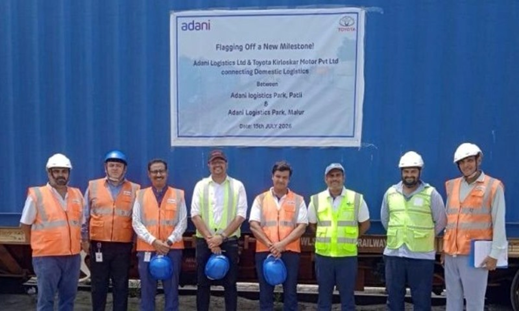
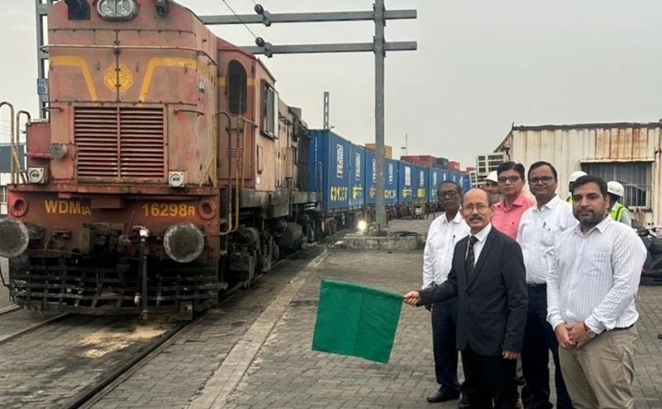
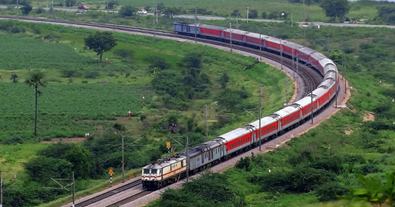
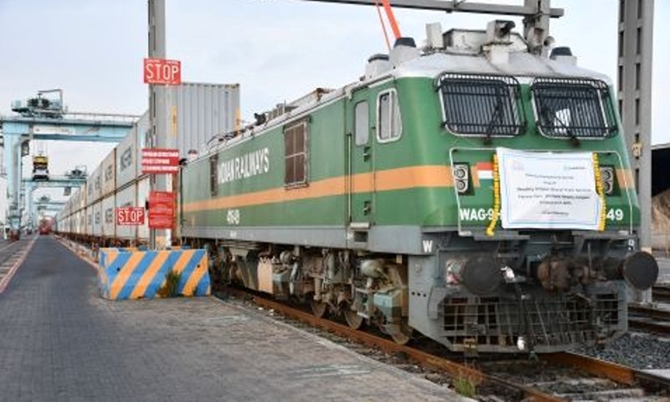
The pilot movement is expected to pave the way for an
ambitious multimodal logistics programme that could transition nearly 250,000
tonnes of automotive cargo from road to rail across multiple transport
corridors in the coming years. The initiative aligns with the industry’s
growing focus on improving supply chain efficiency, reducing logistics costs,
and lowering carbon emissions. The Patli–Malur trial represents a
strategic step towards leveraging India’s expanding rail freight infrastructure
for long-distance automotive movements. By shifting freight from highways to
rail, Toyota Kirloskar Motor aims to enhance transit reliability, optimize
fleet utilization, and contribute to a more sustainable logistics
ecosystem. The proposed large-scale
modal shift is expected to support the company’s nationwide manufacturing and
distribution network while reducing road congestion and the environmental
impact associated with long-haul trucking.
Industry experts
view the initiative as a significant milestone for India’s automotive logistics
sector, demonstrating the increasing adoption of multimodal transportation
solutions. If scaled successfully, the programme could become one of the
country’s largest road-to-rail cargo conversions, setting a benchmark for other
automotive manufacturers to follow.