




‘Last chance’: Bessent says Hormuz deal is in sight after Trump’s warning on Iran talks
“We are in
talks with the Iranians,” Bessent told CNBC’s “Squawk Box” on Tuesday.(4 Aug)
“There is a chance we may have a deal today or tomorrow to open the Strait and
move towards a more normalized position in this conflict.” The Treasury Secretary said the deal would
allow freedom of movement in the strait when asked whether Iran would be
allowed to charge a toll. Bessent’s
words helped reverse previous oil price increases. They had rebounded initially
on Tuesday, jumping as much as 3%, as traders became less confident that a
diplomatic solution to the conflict was in sight. But they reversed sharply
after Qatar’s confirmation of diplomatic efforts and Bessant’s interview. His words came after Trump told reporters in
the Oval Office late on Monday that talks are “going on right now,” at the
request of Iran, Saudi Arabia, the United Arab Emirates, Qatar and others. Tehran has continued to deny that any
direct negotiations with the U.S. are taking place — or that there are plans to
hold them in the future. But Qatari foreign ministry spokesperson Majed Al
Ansari said on Tuesday that its diplomats were working with other mediators,
including Pakistan and Oman, to facilitate negotiations and exchange drafts
between the U.S. and Iran. Iran’s
President Masoud Pezeshkian said on Tuesday that Tehran would continue to
defend its borders but insisted it does not seek an expansion of the conflict,
according to state media reports. “This
is a last chance for them to sign a good document,” Trump said. In a
Truth Social post earlier on Monday, Trump described Iran’s leaders as “unbelievably
duplicitous” and accused them of lying about peace talks that are underway,
“whether Iran wants to admit it or not.”
It came after the president decided to call off “massive attacks” on
Iran to allow for talks he said were starting on Monday. The decision lifted
market sentiment, with oil prices slumping in response.
West Texas
Intermediate futures were down 4.44% at $76.77 per barrel as of 7:58 a.m. ET on
Tuesday. Brent crude, the international benchmark, was up 3.5% at $80.84 a
barrel.
Analysts at
Goldman Sachs said in a Tuesday note that traders are pricing “only a moderate
risk premium despite still very high uncertainty about Mideast supply.” “We assume Brent stays in its $80-90 range
until either a confirmation of a new U.S.-Iran deal or a significant escalation
in attacks and targets,” they said. U.S. Central Command said on Monday it had
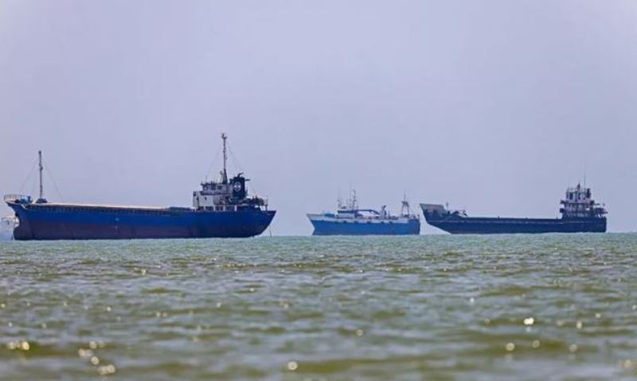
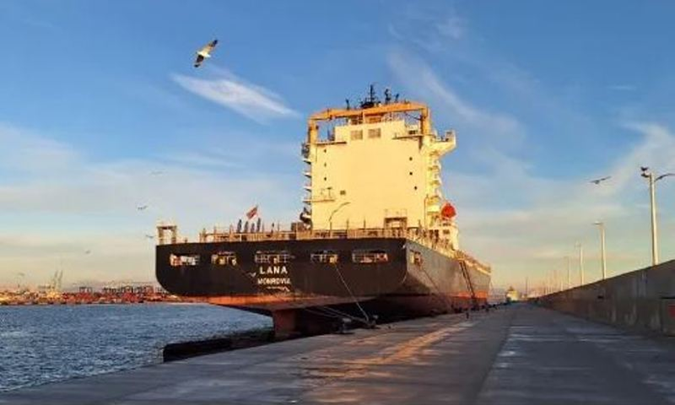
redirected 44 commercial vessels as part of its ongoing blockade of the Strait
of Hormuz, having disabled two and boarded two.
Meanwhile,
Iraqi pro-militia outlet Naya late on Monday reported an explosion in Kuwait
overnight that could be heard in Basrah Province.
Related News