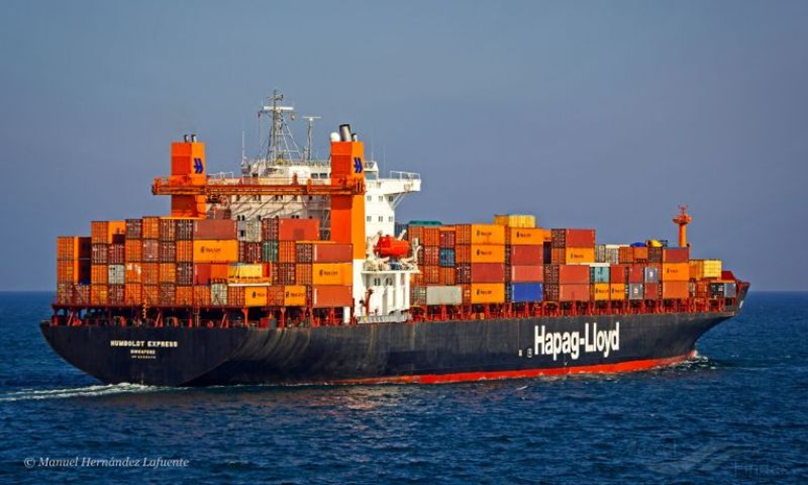
Hapag-Lloyd Shifts Cargo to Rail amid Low Rhine Water Levels
The new rail option
is designed to provide shippers with an alternative inland transport route and
maintain cargo flows between key logistics centres in Germany and the
Netherlands. Low water levels on the
Rhine can reduce the amount of cargo that vessels are able to carry, potentially
increasing transit times and requiring additional logistics arrangements. The
shift to rail provides greater flexibility for cargo that would otherwise move
by inland waterway. The rail
connection also strengthens Hapag-Lloyd’s multimodal transport offering,
allowing customers to combine ocean shipping with inland rail services. Such
alternatives can become particularly important when disruptions affect
established inland transport routes.
The Rhine is one of Europe’s most important inland waterways and a major
corridor for moving containers and industrial cargo between ports and inland
markets. Periods of low water can therefore have a direct impact on supply
chains across the region. Hapag-Lloyd
will continue to monitor water levels and transport conditions as it adjusts
inland logistics solutions to support reliable cargo movement.
Related News