IIT Madras, Deendayal Port Promote Sustainable Hyperloop Transport
The summit brought
together researchers, industry representatives, policymakers and technology
experts to discuss developments in hyperloop systems, including high-speed
passenger and freight transportation, infrastructure requirements and
energy-efficient mobility. Hyperloop
technology uses low-pressure or near-vacuum environments and electrically
propelled vehicles to enable high-speed movement through dedicated tubes.
Supporters of the technology see potential applications in both passenger
mobility and freight logistics, although large-scale deployment requires
further technological, regulatory and infrastructure development. For the logistics sector, hyperloop
concepts could potentially enable rapid movement of cargo between ports,
industrial centres and distribution hubs. This could complement existing road,
rail and maritime networks and improve connectivity across major logistics
corridors. The involvement of
Deendayal Port Authority highlights the potential relevance of emerging
high-speed transport technologies to India’s port and logistics ecosystem.
Improved inland connectivity could help ports move cargo more efficiently and
strengthen links with industrial clusters.
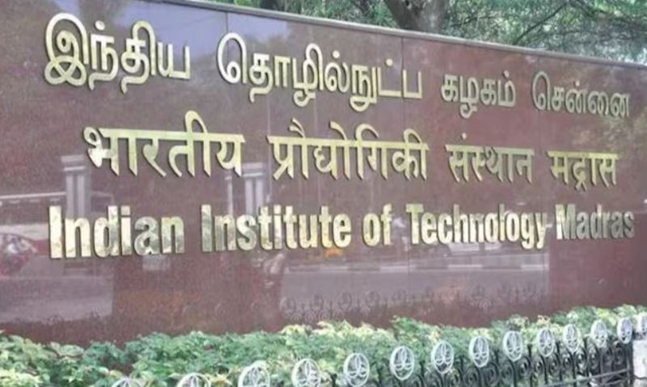
IIT Madras has been involved in research and development related to
hyperloop technology, while the summit provided a platform for collaboration on
future mobility solutions. The
initiative reflects growing interest in innovative transport systems that can
combine high speeds, energy efficiency and lower environmental impact with India’s
expanding logistics and infrastructure requirements.
Related News