Monday, 12 October 2026, 08:58:03 PM
BREAKING NEWS
IMO adopts frameworks to assess marine geoengineering research activities Prime Minister Gives New Momentum to VOC Port with Rs. 753.68 Crore Push for Containers, Green Fuels and Logistics Prime Minister to inaugurate Coal Berth–3 and lay the foundation stone for GCB–1 upgradation project at Kamarajar Port on 11 October 2026 Iran Says US Response to Its Proposal to Reopen Hormuz Was ‘Insufficient’ Safexpress Inaugurates 3.5 Lakh Sq. Ft Logistics Park in Vapi, Gujarat DP World Flags off Full-Rake Reefer Rail Service from Modinagar to Mundra ICD Ravtha Road Resumes Export Operations with First DOC Rake to Pipavav Prime Minister Narendra Modi lays the foundation stone, inaugurates and dedicates various development projects worth over ₹13,000 crore in Chennai, Tamil Nadu PM Narendra Modi inaugurates Four Infrastructure Projects worth ₹158.17 Crore of Chennai Port SCR freight study examines ports and industrial clusters for rail growth IMO adopts frameworks to assess marine geoengineering research activities Prime Minister Gives New Momentum to VOC Port with Rs. 753.68 Crore Push for Containers, Green Fuels and Logistics Prime Minister to inaugurate Coal Berth–3 and lay the foundation stone for GCB–1 upgradation project at Kamarajar Port on 11 October 2026 Iran Says US Response to Its Proposal to Reopen Hormuz Was ‘Insufficient’ Safexpress Inaugurates 3.5 Lakh Sq. Ft Logistics Park in Vapi, Gujarat DP World Flags off Full-Rake Reefer Rail Service from Modinagar to Mundra ICD Ravtha Road Resumes Export Operations with First DOC Rake to Pipavav Prime Minister Narendra Modi lays the foundation stone, inaugurates and dedicates various development projects worth over ₹13,000 crore in Chennai, Tamil Nadu PM Narendra Modi inaugurates Four Infrastructure Projects worth ₹158.17 Crore of Chennai Port SCR freight study examines ports and industrial clusters for rail growth
IMO adopts frameworks to assess marine geoengineering research activities
New guidance will help governments evaluate marine geoengineering research proposals to ensure they are safe for the environment.

IMO adopts frameworks to assess marine geoengineering research activities

The International Maritime Organization (IMO) has adopted new guidance aimed at ensuring marine geoengineering research avoids unacceptable impacts, amid growing interest in climate change mitigation technologies. 

Marine geoengineering involves methods to increase the ocean’s capacity to absorb carbon dioxide from the atmosphere or store carbon for long periods. However, their potential impacts on marine ecosystems are not yet fully understood. 

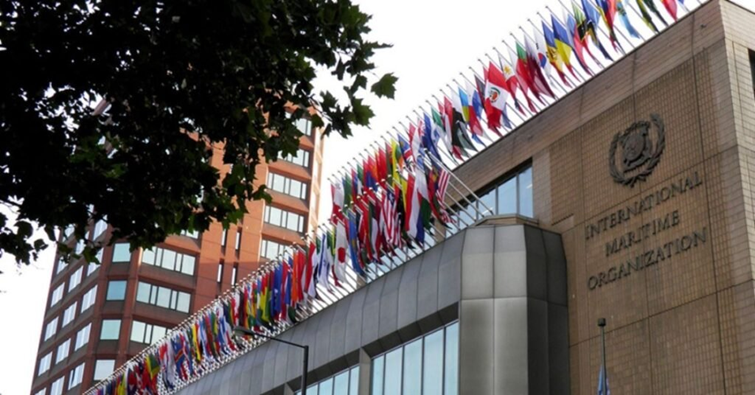
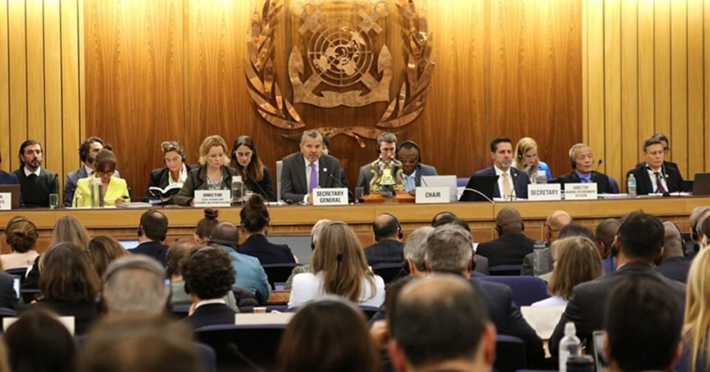
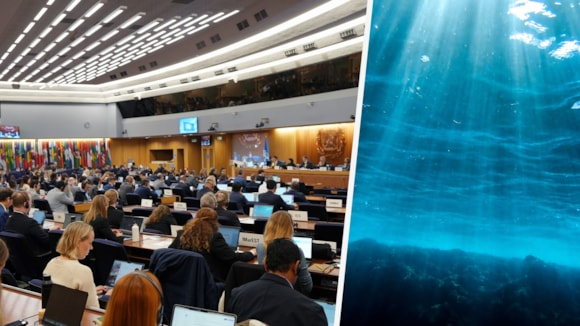
Meeting at IMO Headquarters in London, Parties to the 1972 Convention on the Prevention of Marine Pollution by Dumping of Wastes and Other Matter (London Convention) and 1996 Protocol to the Convention (London Protocol), adopted a resolution establishing assessment frameworks for ocean fertilization, ocean alkalinity enhancement and ocean sinking biomass. 

The frameworks will help governments determine, on a case-by-case basis, whether proposed activities constitute legitimate scientific research and whether they can proceed without unacceptable risks to the marine environment. 

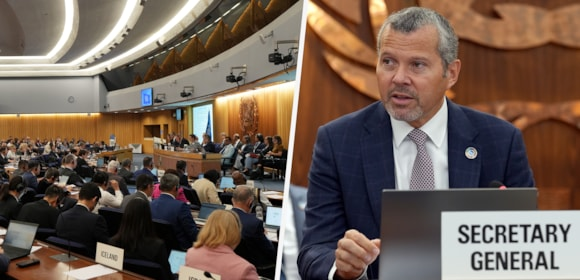
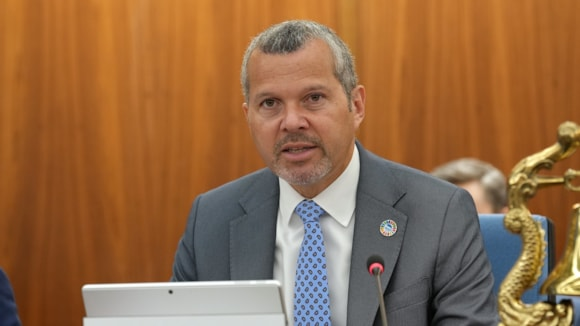
Welcoming the achievement, IMO Secretary-General Mr. Arsenio Dominguez said: 

“At a time when marine geoengineering is attracting increasing scientific, commercial and public attention, they provide regulators and researchers with rigorous and transparent tools for assessing proposed activities and protecting the marine environment.” 

Each framework covers initial screening, environmental assessment, risk management, decision-making and post-project review. Assessments can be revisited as new information becomes available. 

Under the frameworks, all proposals must demonstrate a legitimate scientific purpose, thoroughly assess environmental risks, ensure proper stakeholder consultation and peer review, and include rigorous monitoring and transparent reporting.
Search Sagar Sandesh