ANVI Global Signs MoU with Goa Government for ₹5,000 Crore LPG Terminal at Mormugao Port
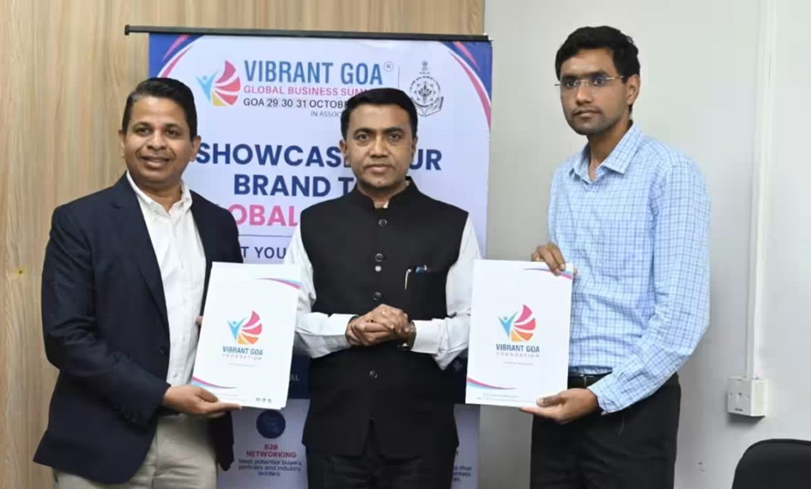
The MoU was signed
on October 30 during the Vibrant Goa Global Business Summit 2026 in the
presence of Goa Chief Minister Pramod Sawant.
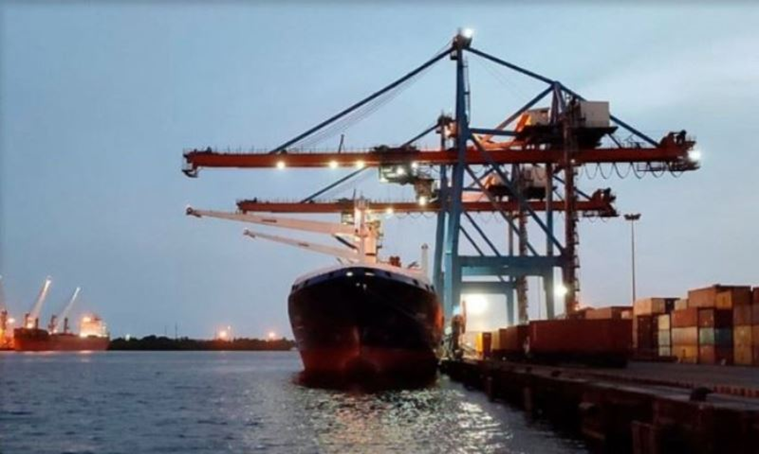
The proposed project will comprise a dedicated LPG berth at Mormugao
Port, a shore-based storage terminal and an underground pipeline corridor
connecting the two facilities. It will also include a Goa Institute of LPG and
LNG Technology to develop skilled manpower for the gas industry. The project aims to strengthen LPG supply
security in Goa and reduce the state’s dependence on road transportation. Goa
currently consumes approximately 80,000–100,000 tonnes of LPG annually, with
its entire requirement transported by road, primarily from Mangalore. Under Phase 1, the project will include
refrigerated LPG storage capacity of approximately 65,000 tonnes, equivalent to
eight to nine months of Goa’s annual consumption. A dedicated state reserve of
at least 30 days’ demand, estimated at around 7,500 tonnes, will also be
maintained at the facility. The
reserve will remain within Goa and can be released only on the instructions of
the state government. During a declared emergency, local consumers will receive
priority over onward transportation and export shipments. At full development, the terminal is
expected to handle up to three million tonnes of LPG annually, supported by a
total storage capacity of approximately 258,000 cubic metres. This will include
230,000 cubic metres of refrigerated storage and 28,000 cubic metres of
pressurised storage. The proposed
deep-water terminal is expected to emerge as an additional LPG import gateway
on India’s west coast, strategically positioned between Mumbai and Mangalore.
It is intended to diversify the country’s LPG import infrastructure and reduce
supply-side risks associated with concentration at a limited number of import
locations. ANVI Global is also
developing a supply corridor connecting the US Gulf Coast with India,
potentially enabling direct LPG imports from the US and other Atlantic Basin
markets into Goa. The company plans
to make the terminal available to oil marketing companies as an additional location
for holding LPG stocks, particularly to serve markets in Goa, Karnataka and
Maharashtra. It will also seek to have part of the facility’s capacity included
in India’s strategic LPG reserve programme.
Around 50% of the terminal’s planned throughput is expected to move
through coastal tankers, reducing dependence on road transportation. The
initial supply focus will be Goa, followed by north Karnataka and south
Maharashtra. The facility is also expected to serve other Indian ports through
coastal shipping and international markets, including Sri Lanka, the Maldives
and East Africa. The terminal will
incorporate full-containment refrigerated tanks and mounded pressurised
vessels. The proposed safety infrastructure will also include a buried and continuously
monitored pipeline corridor, dedicated routes for GPS-tracked road tankers and
transportation by certified drivers. A
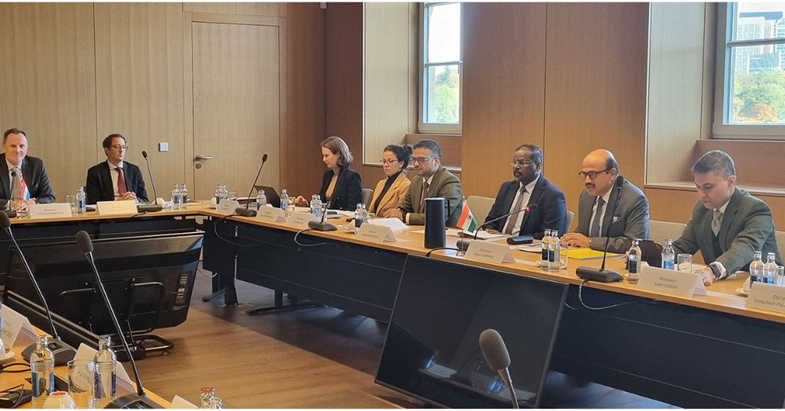
joint working group comprising the Goa Department of Industries, Goa Investment
Promotion and Facilitation Board, Goa Industrial Development Corporation (Goa
IDC), Mormugao Port Authority and ANVI Global will oversee the next stage of
project development. Construction of
Phase 1 is expected to take 30–36 months after securing the necessary approvals
and completing consultations. Phase 2, involving additional storage capacity,
will be developed based on the initial phase’s throughput and offtake
contracts. The project is expected to
generate lease revenue for Goa IDC, port revenue for Mormugao Port Authority
and tax receipts from terminal operations and associated trade. ANVI Global has also reserved space at the
project site for a small-scale LNG facility, subject to separate regulatory
approvals.
Once developed, the
project is expected to strengthen Goa’s energy supply resilience while creating
additional LPG handling, storage and distribution capacity for India’s west
coast.
Related News