Keeping India’s Seafarers Fit to Sail
With
ambitious initiatives such as Maritime India Vision 2030 and sustained
investment in ports, shipping infrastructure and coastal development, the
country is strengthening its position in global maritime trade. Alongside this
growth, India has also emerged as one of the world’s leading suppliers of
skilled seafarers, with more than 300,000 Indian seafarers serving on merchant
vessels across the globe. As the industry continues to expand, one factor
deserves far greater attention than it often receives: the health and medical
preparedness of the workforce that keeps global shipping moving. Unlike most professions, working at sea
demands physical resilience, mental strength and the ability to perform under
challenging conditions. Seafarers spend weeks or months away from shore, often
working in confined environments with demanding schedules, changing weather
conditions and limited access to specialised healthcare. In such circumstances,
even a manageable health condition on land can quickly escalate into a serious
medical emergency onboard. This makes comprehensive medical fitness an
operational necessity rather than a procedural requirement. Certified maritime medical clinics conduct
specialised medical assessments that determine whether seafarers are physically
and mentally fit to work safely in the demanding conditions at sea. Unlike
routine health check-ups, maritime pre-employment medical examinations evaluate
vision, hearing, cardiovascular and respiratory health, neurological and
musculoskeletal fitness, laboratory parameters and mental wellbeing. These
comprehensive assessments help identify potential health risks before
deployment, reducing onboard medical emergencies, improving crew safety and
supporting uninterrupted vessel operations.
Early diagnosis has become increasingly important as non-communicable diseases
continue to rise among working-age adults. According to the World Health
Organization, non-communicable diseases account for nearly 66% of all deaths in
India, with conditions such as hypertension, diabetes, cardiovascular disease
and chronic respiratory illness often remaining undetected until complications
arise. For seafarers, identifying underlying health conditions before
deployment enables timely treatment and reduces the risk of medical emergencies
during long voyages, where access to specialised healthcare is limited. Mental
wellbeing is equally important, as prolonged isolation, irregular sleep and
physically demanding work can affect psychological health. Comprehensive maritime
medical examinations that assess both physical and mental fitness help ensure
seafarers are better prepared for the demands of life at sea, while supporting
safer vessel operations. As global
shipping becomes more regulated, consistent medical assessments are essential.
Indian seafarers must meet medical fitness standards aligned with national
regulations and internationally recognized frameworks, including the Maritime
Labour Convention, 2006, and the Standards of Training, Certification and Watchkeeping
(STCW). Standardized examinations ensure credibility and consistency in the
certification process, giving employers, insurers and maritime authorities
confidence that seafarers are fit for duty. They also strengthen India’s
reputation as a reliable source of skilled and medically prepared maritime
professionals in the global shipping industry. The role of maritime healthcare should not
end with determining medical fitness before employment; preventive healthcare
is becoming equally important in supporting the long-term well-being of
seafarers. Regular health screenings, vaccination programs, nutrition
counseling, lifestyle modification, chronic disease management and mental
health support can all help reduce the burden of illness throughout a seafarer’s
career. A preventive approach lowers the likelihood of onboard medical
incidents, emergency evacuations, voyage disruptions and associated operational
costs. As India’s shipping workforce continues to grow, integrating preventive
healthcare into maritime medical practice will be essential to building a
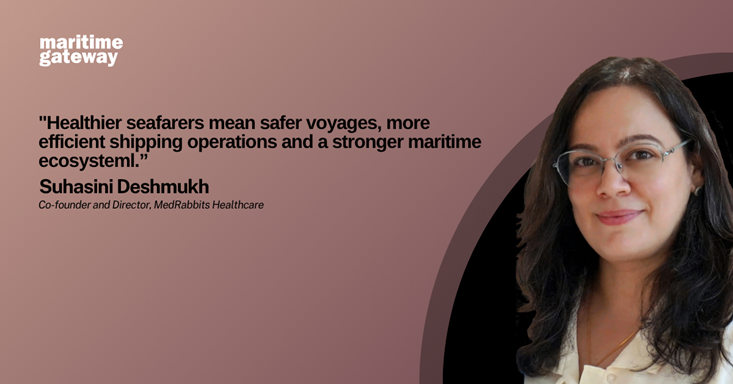
healthier, safer and more resilient workforce. “Healthier seafarers mean safer voyages,
more efficient shipping operations, and a stronger maritime ecosystem.” India’s ambition to become a leading
global maritime nation depends on safeguarding the health of its seafarers.
Certified maritime medical clinics play a crucial role by delivering
specialised, standardised and preventive health assessments that go beyond
regulatory compliance, helping ensure a fit and resilient workforce.
As the maritime industry
continues to grow, prioritizing seafarer health will strengthen operational
safety, support sustainable shipping and reinforce India’s position as a
trusted global maritime hub. Ultimately, healthier seafarers mean safer
voyages, more efficient shipping operations, and a stronger maritime ecosys.
Related News