Kerala High Court Allows Fresh Compensation Talks Over MSC Elsa 3 Sinking
The development, on
October 27, comes 17 months after the vessel sank and as the court continues to
hear the state’s admiralty suit and multiple claims relating to the
incident. The committee is expected
to negotiate compensation covering remedial measures, economic losses,
environmental damage and the impact on the fishing community. However, the
court clarified that the committee cannot independently conclude a final
settlement or enter into a binding agreement. Any proposed settlement will have
to be submitted to the court for consideration. The Kerala government did not oppose the
resumption of negotiations. The committee was originally constituted to help
resolve the dispute without undue delay.
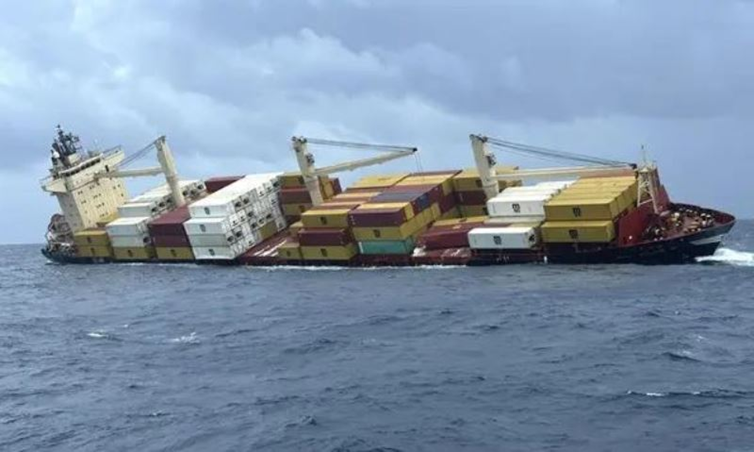
The MSC Elsa 3 sank approximately 14.6 nautical miles off the
Kerala coast, causing disruption to the local fishing industry and raising
concerns over marine pollution. Containers and cargo, including nurdles—small
plastic pellets used in manufacturing—were reported to have washed ashore.
Salvage teams also worked to contain oil leaks, followed by coastal cleanup
operations. In June 2025, the Kerala
High Court had restrained negotiations with MSC and its insurers, directing the
state to pursue the matter through an admiralty suit. The Kerala government subsequently filed
an admiralty claim of ₹9,531 crore, equivalent to approximately $1.1 billion,
seeking compensation for the consequences of the sinking. MSC has challenged
the scale of the claim, describing the state’s demands as inflated, and has
sought to limit its liability to approximately $14.8 million. The company has also initiated proceedings
to limit its liability. In accordance with the court’s directions, MSC provided
a bond of approximately $133 million.
Environmental concerns remain unresolved, with containers still aboard
the sunken vessel and questions continuing over the potential release of
pollutants from the wreck. The
vessel’s cargo manifests included calcium carbide, rubber chemicals and
nurdles, in addition to fuel carried on board. Authorities have indicated that
removing the remaining containers may be necessary to address the risks
associated with the wreck. MSC’s
lawyers, however, have cautioned that attempting to lift waterlogged containers
could cause them to break apart, potentially releasing additional contaminants
into the marine environment. The company informed the court that approximately
437 tonnes of fuel and contaminants had already been pumped out of the
vessel. The parties have also been
discussing a proposal to conduct a multibeam survey of the wreck to assess its
condition and environmental risks. MSC had proposed that the scope of the
survey be jointly determined by the stakeholders. The court has permitted the Directorate of
Shipping to proceed with the process initiated through meetings held on October
17 and 20. C-Trck Surveys was selected to undertake the environmental
assessment of the wreck. The Kerala
State Pollution Control Board has been given one week to submit its suggestions
regarding the proposed survey. The assessment will be carried out at the vessel
owner’s expense. The findings are
expected to help authorities assess the condition of the wreck, identify
potential environmental risks and determine the appropriate course of action
regarding the remaining containers and possible pollution threats.
The Kerala High
Court has scheduled the next hearing in the MSC Elsa 3 matter for
November 24, when the legal proceedings and outstanding issues surrounding
compensation, liability and environmental remediation are expected to remain
under consideration.
Related News