




Office Address
123/A, Miranda City Likaoli Prikano, Dope
Phone Number
+0989 7876 9865 9
+(090) 8765 86543 85
Email Address
info@example.com
example.mail@hum.com


123/A, Miranda City Likaoli Prikano, Dope
+0989 7876 9865 9
+(090) 8765 86543 85
info@example.com
example.mail@hum.com
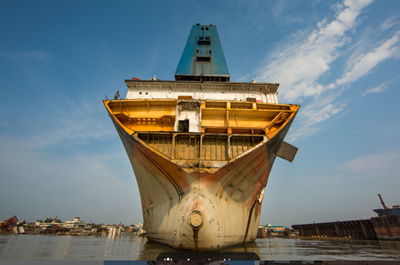
In its latest weekly report, Best Oasis (www.best-oasis.com), a leading
cash buyer of ships said that “in India, the local market has dropped
substantially this week with no real buyers. The difference between steel plates and scrap prices has reduced
significantly, showing very low demand. Without government approval for
ship-recycled steel under ISI standards, plate demand will remain low and more
material will end up sold as scrap. This is hurting the industry and
undermining the green recycling movement, while Europe is promoting refurbished
steel and India’s stance is becoming counterproductive”.
Best Oasis also noted that in Bangladesh, “local steel
prices continue to fall, with limited demand for very small vessels. However,
mid-sized vessels above 10,000 tons are still seeing some buying interest. The price gap between steel plates and HMS
scrap remains wide, in contrast to India, giving Bangladesh an advantage to
purchase vessels at comparatively higher prices. This situation is likely to
continue unless Bangladesh introduces rules similar to India regarding the
acceptance of ship-recycled steel. In Pakistan, buyers are no longer
willing to offer higher levels, adjusting their positions in line with the
weaker sentiment. Offers have now been reduced to align more closely with
Indian buyer levels, reflecting regional price pressure. Market activity
remains subdued as cautious sentiment continues to dominate. Finally, in
Turkiye, “import prices have improved by around USD 3 this week, while local
prices remain unchanged. Overall market stability persists, with activity
holding steady and movements largely influenced by external factors”, Best
Oasis concluded. Meanwhile, in a separate report, shipbroker Intermodal said that “the
ship recycling sector witnessed weak demand and limited activity last week,
with continued currency weakness adding pressure. India’s ship recycling market
endured another challenging week, weighed down by weak steel market conditions
and continued currency depreciation, which further dampened sentiment.
Furthermore, the inflow of sanctioned vessels, acquired at steep discounts, has
disrupted the competitive landscape, enabling some recyclers to undercut prices
while others struggle to compete. Extended monsoon rains have compounded the
slowdown, adding further pressure on market activity. Although Alang remains
the subcontinent’s most active recycling hub, overall confidence stays fragile
as recyclers adopt a cautious stance. At Gadani, the market eased back
following the movement seen last week. Buyers maintained control, lowering
their offers in line with neighboring India.
The limited number of DASRapproved yards, most of
which are already at capacity, further restricts activity. On the compliance
front, yards that have completed most of their upgrades may soon receive HKC
approval, with several already allowed to handle vessel imports. Meanwhile, the
local steel market held largely steady.
Bangladesh’s ship recycling industry continues to face significant challenges
despite substantial investments in HKC compliance. Activity remains muted, as
costly upgrades have strained yards, while failing to secure tonnage.
Inflationary pressures and intensifying regional competition further undermine
market confidence. The steel market remains unchanged, with a temporary post-monsoon
recovery expected. The absence of infrastructure spending and ongoing political
uncertainty add to the headwinds. Turkey’s market is subdued, though improving
steel fundamentals offer a glimmer of optimism. However, recyclers face
pressure, caught between the lira’s continued devaluation and rising domestic
inflation, pushing costs higher and limiting profitability”, the shipbroker
concluded.