

Office Address
123/A, Miranda City Likaoli Prikano, Dope
Phone Number
+0989 7876 9865 9
+(090) 8765 86543 85
Email Address
info@example.com
example.mail@hum.com


123/A, Miranda City Likaoli Prikano, Dope
+0989 7876 9865 9
+(090) 8765 86543 85
info@example.com
example.mail@hum.com
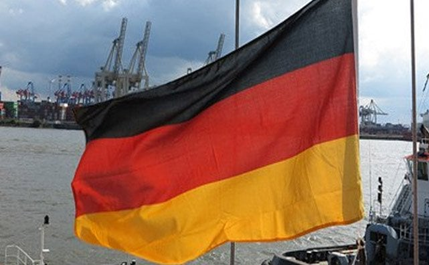
They concluded an agreement during the second round of talks, which took
place on December 4, and will apply to all seafarers sailing on German-flag
ships that are members of the collective bargaining association.
The two sides had been far apart during their first
negotiations in November, raising the possibility of disruptions to German-flag
shipping.
The union opened the
negotiations by calling for a 9.5 percent pay increase with a 12-month
contract. They highlighted that real wages had decreased 6.5 percent over the
past five years due to inflation. The shipping companies started with a
position offering a 2.1 percent increase for 2026 and 2 percent for 2027.
German seafarers had demonstrated their
dissatisfaction with the offers by staging demonstrations at the offices of the
major companies, including Hapag-Lloyd, Fairplay. TT-Line, BLE, and the pilot
association. Members said that if ver.di called for actions or strikes, they
would participate.
German shipowners
highlighted that it is a challenging time for the industry with many
uncertainties. The German Shipowners’ Association (VDR) said its focus was to ensure the long-term
economic stability and viability of the sector. They called the terms of the agreement “reasonable” and said it
recognizes the contributions of seafarers.
The agreement provides for a 3 percent wage
increase in 2026 and a further 2.8 percent starting on January 1, 2027. The
contract runs till June 30, 2028.
“We were able to
achieve a real wage increase for seafarers,” said a ver.di negotiator. Steffen
Wanke, a member of the collective bargaining commission and employee of
Fairplay Towage Group, said the agreement was “The maximum that could be
achieved.” He said with falling freight rates and other pressures, there had
not been “much room to raise wages.”
Ver.di said it would use the 30-month contract term
to become stronger in the shipping sector. It predicted that it would be able
to mount more resistance in future negotiations.