

Office Address
123/A, Miranda City Likaoli Prikano, Dope
Phone Number
+0989 7876 9865 9
+(090) 8765 86543 85
Email Address
info@example.com
example.mail@hum.com


123/A, Miranda City Likaoli Prikano, Dope
+0989 7876 9865 9
+(090) 8765 86543 85
info@example.com
example.mail@hum.com
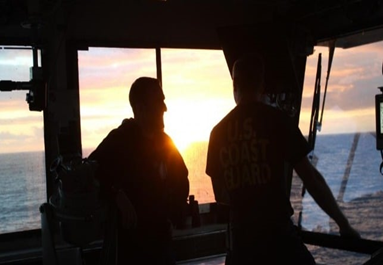
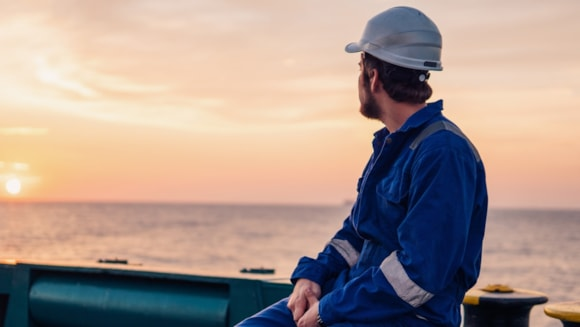
Life at sea can be
unforgiving, seafarers face long stretches away from home, shift patterns that
disrupt sleep, demanding operational pressures, isolation, harsh weather, and
often little privacy.
We are already seeing heightened anxiety in younger
seafarers before they have even stepped foot on the ship. Some of this is
genuine incidence, some is better recognition and willingness to disclose.
Younger seafarers often report performance pressure, financial insecurity, and
digital overexposure earlier in their careers.
Mental health is far
too often treated as an added benefit for crew, but the industry must view it
as safety-critical if we are to make any progress in reducing the number of
serious mental health episodes and suicides among seafarers.
When mental health support is not embedded into a
company culture, then it is likely more emergency situations will occur. This
is when immediate expert intervention is essential to ensure the seafarer’s
health is protected. There must be a support plan in place running all the way
through from crisis to aftercare, and helping to ensure the crew member is
mentally fit to return to work.
This comprehensive plan should involve connecting
the seafarer with language-matched psychologists and safety protocols,
ship-to-shore coordination, family liaison support when home crises drive
onboard distress, and after-action support for crew.
For the industry to
see a real impact on mental health, early intervention is key, as well as
helping seafarers recognize their own triggers and how to prevent their mental
health escalating in times of crisis.
It is a global concern that mental health is not
prioritized or resourced well enough to address the issue and ensure sufficient
support is in place. We must not forget
that being out at sea can be a ticking time bomb for a seafarer suffering a
decline in their mental health. They don’t have access to their support
system, their freedom is taken away, lack of sleep and rest, and access to
ordinary activities to reduce stress is limited. It really is the perfect storm
for mental health to decline further where the crew member may end up feeling
there is no way out. Therefore, it must be treated as a crucial aspect of a
vessel’s safety management systems and should not be compromised.
Along with anxiety,
one of the most common triggers for mental health episodes we are currently
seeing is sleep and fatigue load. When you have watchkeeping, port rushes,
time-zone shifts mixed with health, noise and an overstimulating environment,
it results in cognitive strain, irritability and low mood.
Due to the nature of the job, seafarers have long
suffered with isolation and family stress issues which are also common
triggers. Operational pressure and uncertainty are another trigger.
Inspections, tight turnarounds, manning shortages and contract and visa delays
all lead to feelings of instability and uncertainty over their how their
day-to-day life onboard will look like with no assurance over getting home on
time.
Sadly, we are still seeing a high number of
bullying and harassment cases and conflicts, as well as seeing 24/7 access to
social media and toxic online content, leading to a negative impact on mental
health.
We are certainly making progress in increasing awareness and are seeing more companies place emphasis on crews’ mental health and wellbeing, but awareness alone isn’t enough. Where companies embed protocols, such as clear escalation, language-matched clinicians, fatigue controls, and family liaison, we see earlier help-seeking and fewer high-severity crises. The most progress occurs when mental health is integrated into ISM/SMS and leaders are trained to act on early warning signs.
We must treat mental
health as safety critical, build protocols, ensure sleep and
fatigue protections, and give crews fast access to clinicians who speak
their language. That combination consistently lowers risk and improves
outcomes.