

Office Address
123/A, Miranda City Likaoli Prikano, Dope
Phone Number
+0989 7876 9865 9
+(090) 8765 86543 85
Email Address
info@example.com
example.mail@hum.com


123/A, Miranda City Likaoli Prikano, Dope
+0989 7876 9865 9
+(090) 8765 86543 85
info@example.com
example.mail@hum.com
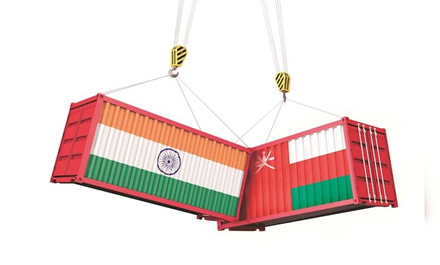
India and Oman are
close to finalising their long-discussed Comprehensive Economic Partnership
Agreement (CEPA), with the pact expected to be signed during Prime Minister
Narendra Modi’s proposed visit to Muscat on December 17–18, according to
sources familiar with the negotiations.
Key sticking points — including Oman’s mandatory
localisation policy, known as Omanisation, and India’s concerns over possible
misuse of the treaty by China through third-country routing — have largely been
resolved. “The agreement is almost ready for signature,” a source tracking the
talks confirmed.
Ajay Sahai,
Director General & CEO of FIEO, said the proposed FTA would substantially
enhance India’s export competitiveness. “We expect the India–Oman FTA to significantly boost India’s exports by
providing better market access and tariff advantages for key sectors such as
engineering goods, electronics, textiles and pharmaceuticals. This will deepen
bilateral trade and investment ties, especially benefiting MSMEs, while
ensuring safeguards for sensitive domestic industries,” he noted. India
has been seeking clarity and protection regarding Oman’s Omanisation policy,
under which the government mandates employment quotas for Omani nationals
across private sector industries. New Delhi has pushed for these quotas to be
capped under the agreement to avoid future escalation that could affect Indian
workers and service exporters.
Simultaneously,
India has worked to ensure stringent Rules of Origin (ROO) to prevent
third-country products — particularly from China — from being routed into India
through Oman and availing duty concessions.
The CEPA holds strategic value, potentially enhancing
India’s access to the Gulf and broader West Asian markets as part of its
ongoing market diversification strategy.
Bilateral trade
between India and Oman stood at $10.6 billion in FY25, making Oman India’s
third-largest trading partner in the Gulf region.
Before arriving in Oman, PM Modi is also expected to
visit Jordan (December 15–16) and Ethiopia (December 16–17) as part of a
broader diplomatic outreach to West Asia and Africa.