
Office Address
123/A, Miranda City Likaoli Prikano, Dope
Phone Number
+0989 7876 9865 9
+(090) 8765 86543 85
Email Address
info@example.com
example.mail@hum.com


123/A, Miranda City Likaoli Prikano, Dope
+0989 7876 9865 9
+(090) 8765 86543 85
info@example.com
example.mail@hum.com
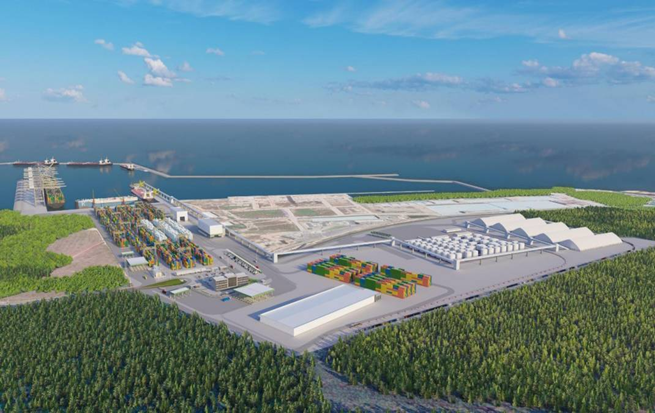
Under the agreement, both partners will develop and
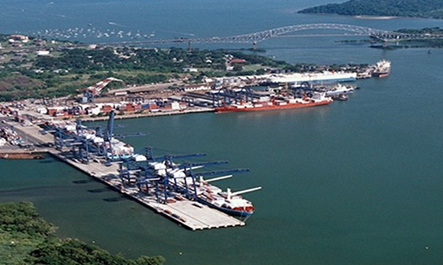
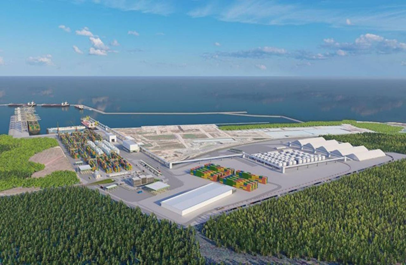
operate the new “Hanseatic Global Terminals Aracruz” container terminal that
will serve as a modern transshipment and gateway port facility.
The terminal, located
in Aracruz in the state of Espírito Santo, Brazil, is expected to launch
operations by mid-2028 with an annual future capacity of around 1.2 million
TEU, 750 meters of quay length and state of the art container handling
equipment. With a water depth of 17
meters, the facility is suitable for handling large ships. Imetame Group is a
diversified Brazilian conglomerate founded in 1980. The contracting parties
have agreed to not disclose financial details of the transaction. “Latin America is a key strategic market for
Hanseatic Global Terminals and Hapag-Lloyd. Our joint venture with the Imetame
Group and the development of a new transshipment hub and gateway port on
Brazil’s east coast strengthens our terminal portfolio while addressing
capacity constraints in a growth region. This investment in the port of Aracruz
benefits Brazil by strengthening trade infrastructure via a port closer to
consumer markets and key global shipping routes than traditional gateway ports
– thereby providing several cargo-originating states an alternative and more
efficient access to global markets,” said Dheeraj Bhatia, CEO of Hanseatic
Global Terminals.
“We are very pleased
to have Hanseatic Global Terminals as a strong strategic partner for the new
container terminal in Espírito Santo. Hanseatic Global Terminals possesses
great expertise to offer the new terminal’s customers, importers and exporters
efficient cargo handling and further strengthen Brazil’s importance in global
trade. Beyond operational excellence, we are committed to developing
opportunities for the region, boosting jobs and fostering the development of
local businesses,“ said Etore Selvatici Cavallieri, Chairman of Imetame Group.
Terminal and
infrastructure investments represent a crucial component of Hanseatic Global
Terminals’ strategic agenda, aiming at further developing its portfolio to
expand to more than 30 terminals by 2030.
The closing of the transaction is subject to approval by the relevant antitrust
authorities and other relevant regulators and to additional conditions
customary for a transaction of this kind.