

Office Address
123/A, Miranda City Likaoli Prikano, Dope
Phone Number
+0989 7876 9865 9
+(090) 8765 86543 85
Email Address
info@example.com
example.mail@hum.com


123/A, Miranda City Likaoli Prikano, Dope
+0989 7876 9865 9
+(090) 8765 86543 85
info@example.com
example.mail@hum.com
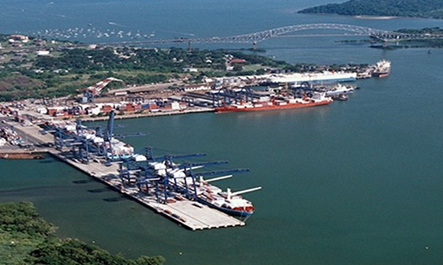
In a public update, Hutchison said it had notified the Panamanian state
of a treaty dispute and commenced multiple legal steps after last month’s
Supreme Court determination that underpinned the long‑running concessions was
unconstitutional. The group’s Panamanian unit, Panama Ports Company (PPC), had
already started International Chamber of Commerce arbitration on February 3.
Hutchison warned that Panama’s moves toward a forced exit and a transition plan
were unlawful and lacked operational clarity.
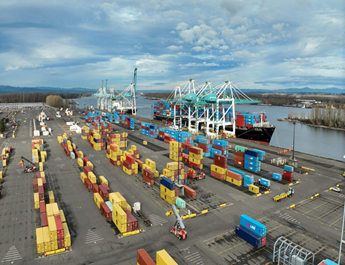
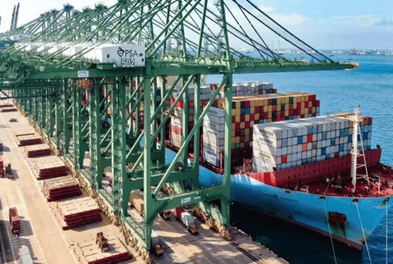
APM Terminals had moved earlier to temporarily take over the running of
the two Panamanian terminals in the wake of the Supreme Court decision.
Hutchison notified Maersk that “any steps by APMT
or any of its affiliates to assume the administration or operation of PPC’s
ports at Balboa or Cristobal in any capacity for any period of time without the
agreement of CKHH will cause damages to CKHH, HPH and PPC and result in legal
recourse against APMT and/or its affiliates involved.”
Despite the threats, Hutchison said it remained committed to protecting
employees and avoiding disruption – but stressed that continued operation of
the terminals “depends solely on actions of the Panama Supreme Court and the
Panamanian State,” actions it said were outside Hutchison’s control.
The court ruling has provoked diplomatic and commercial ripples. Beijing
warned of “heavy prices” and reportedly ordered state firms to pause new Panama
projects, while Chinese customs have stepped up inspections of Panamanian imports.
An opinion piece
published in state-run China Daily last
week argued the Supreme Court decision was “a textbook case of how external
pressure can corrupt judicial independence and undermine the foundations of
international investment”.