Centre Scraps Partial Cabotage Relaxation for Foreign Ships, Citing Failure to Meet Objectives
With this move, the
government has effectively rolled back the partial relaxation of India’s
cabotage regime, under which coastal trade is reserved for Indian-flagged
vessels, with foreign ships permitted only in the absence of suitable domestic
tonnage. The revocation will come into force three months from January 21,
providing stakeholders time to transition to the revised regulatory framework.
The Ministry of Ports,
Shipping and Waterways said the decision followed an extensive review, public
consultations, inputs from trade bodies and a detailed assessment by the DG
Shipping, which found that the objectives of the 2018 orders had not been
achieved.
The three general orders
were introduced to reduce the transshipment of Indian EXIM cargo through
foreign ports, lower freight costs, improve container availability and foster a
competitive ecosystem for Indian shipping and logistics. However, the Ministry
noted that representations from stakeholders pointed to persistent challenges.
“Transshipment of Indian
containerised cargo through foreign ports has not decreased, nor has the cost for
Indian exporters and importers been significantly reduced,” the Ministry said
in its January 21 order.
It further observed that
the anticipated increase in feeder capacity and availability of empty
containers did not materialise, while the Indian-flagged container fleet
stagnated, discouraging fresh investment. Issues such as higher freight costs,
container shortages and predatory practices by foreign carriers were also
highlighted by stakeholders.
The Ministry noted that
Indian trade remains heavily dependent on foreign-flagged vessels, exposing
exports to external market forces. “The continued lack of a substantial Indian
container fleet has hindered India’s ability to reduce dependency on foreign
carriers, impacting efforts to retain foreign exchange and promote domestic
shipping,” it said.
Promoting Indian shipping
tonnage and ensuring seamless coastal and international cargo movement are
critical to achieving India’s $1 trillion goods export target by 2030, the
Ministry added.
Following the revocation,
provisions under Sections 406 and 407 of the Merchant Shipping Act, 1958, along
with existing rules, regulations and guidelines, will continue to apply to
foreign vessels engaged in containerised cargo transportation, subject to
relaxations notified in May 2018.
The move aligns with the
Maritime Amrit Kaal Vision 2047, which had called for revisiting cabotage
relaxations to strengthen India’s domestic shipping sector. The Ministry also
noted that recent policy initiatives—such as granting infrastructure status to
large ships and approving a ₹25,000-crore Maritime Development Fund to support
shipping and shipbuilding—have reduced the relevance of partial cabotage
relaxations.
The decision also comes
ahead of the proposed launch of the Bharat Container Shipping Line, a joint
venture involving Shipping Corporation of India (SCI), Container Corporation of
India (CONCOR), VOC Port Authority, Chennai Port Authority and Kamarajar Port
Ltd.
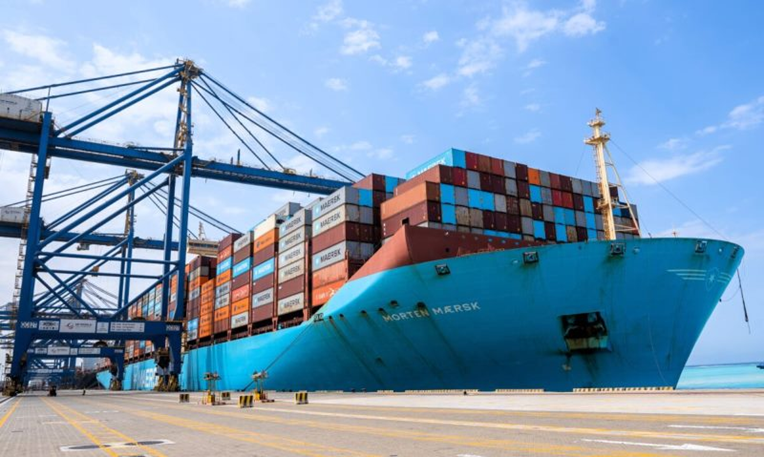
Anticipating the policy reversal, global container shipping lines have
begun flagging vessels in India. CMA CGM and A.P. Moller-Maersk converted four
and two vessels, respectively to the Indian flag in 2025, while Mediterranean
Shipping Company (MSC) is in the process of registering around a dozen
foreign-flagged ships under the Indian registry.
The DG Shipping underscored the importance of ensuring cargo owners have
access to competitive freight services while promoting Indian shipping through
incentives and regulatory support. Such measures, it said, could enhance
service reliability, foster competition and positively influence freight rates.
The regulator noted that
between 2013 and 2018, Indian container shipping showed steady growth, with a
gradual increase in Indian-flagged vessels, employment opportunities for Indian
seafarers and potential for domestic container manufacturing. However,
following the introduction of the 2018 orders, the sector entered a phase of
stagnation and decline.
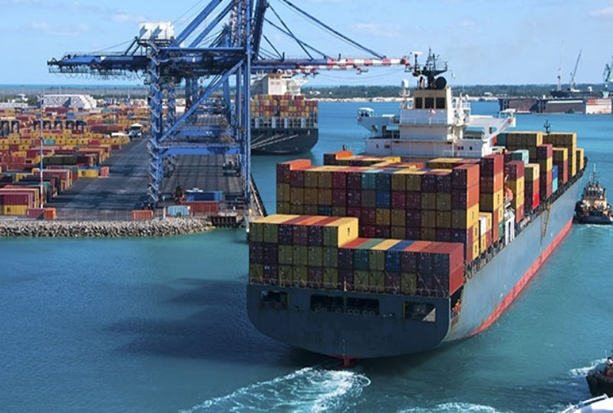
Today, only about 36
container ships are registered under the Indian flag, nearly half of which are
owned and operated by Indian companies. During pandemic-era supply chain
disruptions, global carriers earned windfall profits, while Indian-flagged
vessels struggled to compete.
According to the DG
Shipping, higher operational and capital costs, compounded by domestic fiscal
structures, have further eroded the competitiveness of Indian operators,
leading to a growing reliance on foreign vessels.
The regulator stressed that protecting smaller players in markets
dominated by large global carriers is essential for maintaining competitive
pricing, fostering innovation and ensuring market resilience. A diversified
shipping ecosystem, it said, reduces vulnerability to disruptions and benefits
consumers through fair pricing and better service quality.
“By promoting a diverse market structure and implementing policies that
level the playing field—such as tax incentives, access to finance and
regulatory support—India can build a more equitable, resilient and competitive
maritime sector,” the DG Shipping added.
Related News