

Office Address
123/A, Miranda City Likaoli Prikano, Dope
Phone Number
+0989 7876 9865 9
+(090) 8765 86543 85
Email Address
info@example.com
example.mail@hum.com


123/A, Miranda City Likaoli Prikano, Dope
+0989 7876 9865 9
+(090) 8765 86543 85
info@example.com
example.mail@hum.com

Oil exports from Venezuela have
surged upwards since the end of the U.S. embargo and the capture of former
dictator Nicolas Maduro. Under American management, oil cargoes rose to 800,000
bpd in January, up from about 500,000 bpd under U.S. Navy blockade in
December.
Vitol and Trafigura reportedly
reached an arrangement to buy the initial surge of bottled-up oil at
Venezuela's loading terminals and anchorages, and the work of shipping it is
proceeding. Two additional trading houses, Mercuria and AD Commodities, have
filed papers to get U.S. Treasury licenses for the trade, reports
Bloomberg.
According
to Secretary of State Marco Rubio, the arrangement with commodity traders is
temporary, and the U.S. wants to normalize Venezuela's oil export industry in
the long run. The
Office of Foreign Asset Control last week opened up a general license for oil
trade with Venezuela for existing U.S. entities, so long as the payments are
moved into designated U.S. Treasury accounts. Transactions involving
counterparties in Russia, Iran, North Korea, Cuba or China are still
prohibited.
There
are unanswered questions about China's access to the market: U.S. officials
have said that Maduro's ouster was motivated in part by a desire to deny China
a foothold in South America, and that excluding China would be a priority going
forward. So far,
per Bloomberg, Chinese-linked entities have not been given a Treasury license
to buy from Venezuelan state oil company PDVSA, and U.S. companies are still
prohibited from buying from Chinese-Venezuelan oil E&P venture
PetroSinovensa.
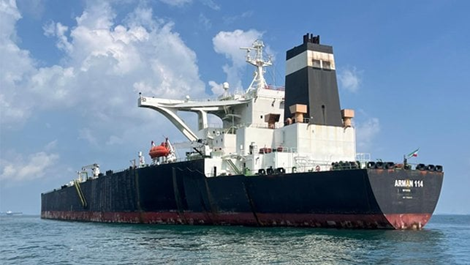
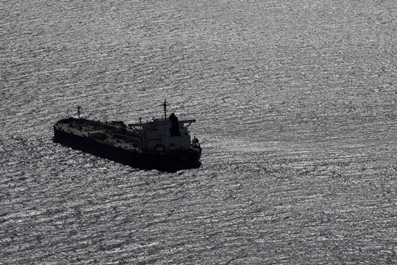
Part of the process of unwinding the
bottled-up crude is in offloading sanctioned tankers and sending the oil out to
normal buyers, not just commodity trading houses with a higher appetite for
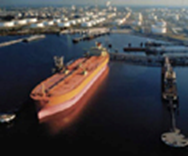
risk. On Monday, tanker Folegandros got underway from
Venezuela, bound for an unknown European destination, and an LPG tanker
departed Venezuela for the U.S. East Coast - both signals of a normalized
international trade.
Proceeds
of the initial sales were routed to a bank account in Qatar, an unusual
arrangement that Secretary of State Marco Rubio has described as a short-term
workaround to avoid legal exposure. Venezuela's government owes about $150 billion to
U.S. and foreign creditors, and funds landing in an American bank account would
be vulnerable to court seizure for unpaid debts. But Venezuela needs that money
immediately to pay public servants' salaries, Rubio said. The executive order
that outlines the Venezuelan oil sales plan, EO 14373, specifically points to
“the possibility of attachment or the imposition of judicial process” in the
U.S. court system as a foreign policy problem, and sets up a mechanism for
Treasury-managed accounts within the U.S. for Venezuelan oil funds (as
referenced by OFAC last week). But until that mechanism is finalized,
Rubio said, the Qatari bank account is a fast way to conduct transactions and
get Venezuela's oil industry working again.
Lawfare notes that there is an additional
consideration: it is very hard for the administration
to protect the funds against attachment for court judgments related to
terrorism cases. Venezuela had ties to several designated terrorist
organizations, including FARC, Tren de Aragua and others. Some of these groups
are vulnerable to court judgments in the hundreds of millions of dollars - and
Venezuela's oil funds could potentially be seized by the plaintiffs in these cases
if the money were within U.S. jurisdiction.