

Office Address
123/A, Miranda City Likaoli Prikano, Dope
Phone Number
+0989 7876 9865 9
+(090) 8765 86543 85
Email Address
info@example.com
example.mail@hum.com


123/A, Miranda City Likaoli Prikano, Dope
+0989 7876 9865 9
+(090) 8765 86543 85
info@example.com
example.mail@hum.com
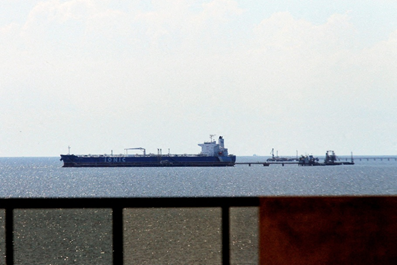
U.S. refiners Phillips
66 and Citgo Petroleum are seeking to buy heavy crude directly from Venezuelan
state oil company PDVSA starting in April to maximize profits, rather than
purchasing through trading houses and U.S. oil major Chevron, according to
sources familiar with the efforts.
Trading houses
Trafigura and Vitol in January secured
the first U.S. licenses to export Venezuelan oil as part of a $2
billion deal between Caracas and Washington. Chevron has
held an authorization to operate there and ship crude since last year.
Refiners in the U.S.
and other countries have been buying cargoes from the three companies. However,
since U.S. President Donald Trump’s administration issued
a general license late last month that authorized broader oil
exports from the OPEC country, the pool of buyers is expected to progressively
expand, boosting trade to $5 billion over the next few months, U.S. officials
have said...A Phillips 66
spokesperson declined to comment on commercial activity but said the refiner’s
Gulf Coast facilities can process a wide range of crude oil and access to heavy
crude presents a valuable opportunity.
The company bought Venezuelan oil from Vitol last
month at about $9 per barrel below Brent crude.
The White House said
on Friday (20 Feb) the Trump administration is responding to overwhelming interest
from oil and gas companies. “The
president’s team is working around the clock to field requests from oil and gas
companies,” spokeswoman Taylor Rogers said.
Venezuela-owned U.S.
refiner Citgo Petroleum is also in talks to buy crude directly from Venezuela,
but the company wants it delivered to the U.S. Gulf Coast, which is difficult
due to PDVSA’s limited number of vessels, another source said.
Citgo plans to take
advantage of opportunities provided under the general license to purchase crude
directly from Venezuela, the company said in an emailed statement, adding that
it aims to process Venezuelan crude in the coming months at its Gulf Coast
refineries.
Citgo in January
bought a 500,000-barrel cargo of Venezuelan heavy crude for February delivery
from Trafigura, its first Venezuelan crude import since 2019.
Valero, the
second-largest U.S. refiner and a top buyer of Venezuelan oil from Chevron,
plans to buy directly from PDVSA later in the year after it assesses the
condition of Venezuela’s loading infrastructure, three other sources said. The company has previously bought Venezuelan
crude from Vitol for U.S. Gulf Coast delivery.
Valero is stepping up
imports of Venezuelan oil with up to 6.5 million barrels of Venezuelan crude
bound for its Gulf Coast refineries in March, making it the top foreign refiner
of the South American nation’s oil. The bulk of those purchases is expected to
be through Chevron...The refiners’ plans to
increase purchases of Venezuelan oil could face challenges in the coming weeks when trade for April
delivery begins, as Washington fine-tunes regulations for doing business with
Venezuela, which remains under economic sanctions.
PDVSA has told
potential buyers they need individual licenses or specific clearance from the
U.S. Treasury’s Office of Foreign Assets Control to lift cargoes at its ports,
four sources said last week, while many U.S. banks have been reluctant to
finance Venezuelan oil trade transactions, three sources said. Along with the general license they plan to use
in the coming months, many refiners have submitted requests for individual
licenses that are pending.
Venezuelan crude
prices have eased in recent days as more Venezuelan oil heads to the U.S. instead
of China.
Vitol and Trafigura
have offered Venezuelan Merey cargoes at $10 per barrel below Brent in recent
days, sources said, cheaper than prices of $6-$7.50 per barrel below Brent last
month.
Vitol and Trafigura
negotiated prices of around $15 per barrel below Brent for initial Venezuelan
crude purchases, bringing in a first wave of $500 million in sales last month,
U.S. Secretary of Energy Chris Wright told Reuters in January. They secured
profits of up to $4 per barrel after transportation and storage fees, according
to Reuters estimates.