
Office Address
123/A, Miranda City Likaoli Prikano, Dope
Phone Number
+0989 7876 9865 9
+(090) 8765 86543 85
Email Address
info@example.com
example.mail@hum.com


123/A, Miranda City Likaoli Prikano, Dope
+0989 7876 9865 9
+(090) 8765 86543 85
info@example.com
example.mail@hum.com
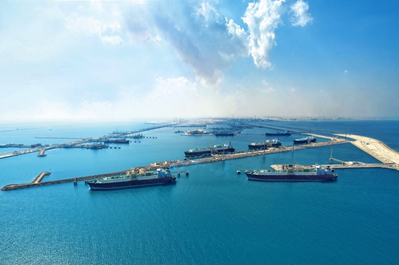
Qatar shut down
liquefied natural gas production at the world’s largest export facility after
it was targeted in an Iranian drone attack, sending European
gas prices surging more than 50% and rattling global
energy markets.
QatarEnergy’s Ras
Laffan plant covers about a fifth of global LNG supply and the unprecedented
halt now threatens energy security worldwide.
European benchmark gas
futures jumped the most since the energy crisis in 2022, after QatarEnergy
confirmed Monday that output had been suspended. Tankers had already largely
stopped transiting the Strait
of Hormuz, a critical artery for global fuel shipments.
“The threat to
security of supply is here and now,” said Simone Tagliapietra, an analyst at
Bruegel. “The extent of it will depend on the duration of the shutdown, but we
are now into a new scenario.” While Asian countries buy most of the LNG shipped
from the Middle East, a disruption will increase competition for alternative
supplies — pushing up prices worldwide, including in Europe.
European gas prices are rallying as storage
inventories are unusually low, and the region needs to import large volumes of
LNG this summer to refill them ahead of next winter. While the intraday surge
is the biggest since Russia’s invasion of Ukraine four years ago, benchmark
prices are only at a one-year high because regional supplies haven’t been
directly disrupted and traders are still assessing how long the conflict will
last.
The Strait of Hormuz
is a key waterway for energy, carrying roughly 20% of the world’s LNG. The
dramatic slowdown of traffic through the strait has created major bottlenecks
potentially causing fuller storage tanks for QatarEnergy. The company has
declared force majeure on its contractual obligations to deliver LNG to its
customers, according to people with knowledge of the matter. So far there
haven’t been any reports of damage at the facility.
The key question for traders is how long the
disruption will last. If shipping through the Strait of Hormuz were halted for
a month, European gas prices could more than double, according to Goldman Sachs
Group Inc.
Even if the US boosts LNG production, it’s unlikely
to be enough to offset supply from Qatar in the near-term. QatarEnergy is
scheduled to start its Golden Pass expansion project in the US in the coming
weeks but the facility won’t be at full capacity until next year.
US President Donald Trump said the bombing campaign
against Iran could last for weeks. The conflict continues to deepen, with
blasts heard across Israel, Saudi Arabia, Qatar and the United Arab Emirates,
as states intercepted Iranian missiles launched in response to US-Israeli
strikes. Israel on Saturday (28 Feb) ordered the temporary closure of some
gas-producing capacities, including its biggest Leviathan gas field. That
prompted major importer Egypt to seek more LNG cargoes.
Gas trade disruptions
in the Middle East could also eventually raise spot LNG demand from Turkey,
according to BloombergNEF, as it imports pipeline fuel from Iran.
Dutch front-month
futures, Europe’s gas benchmark, traded 46% higher at €46.77 a megawatt-hour by
2:31 p.m. in Amsterdam. That’s the highest level since February 2025.