

Office Address
123/A, Miranda City Likaoli Prikano, Dope
Phone Number
+0989 7876 9865 9
+(090) 8765 86543 85
Email Address
info@example.com
example.mail@hum.com


123/A, Miranda City Likaoli Prikano, Dope
+0989 7876 9865 9
+(090) 8765 86543 85
info@example.com
example.mail@hum.com
The benchmark TD3C
from the Middle East to China was quoted at $423,700 a day, up $205,600 from
the day before. Brokers cautioned that confirmed fixtures at those eye‑watering
levels were not forthcoming.
Insurance has followed suit. More than half of the world’s largest
P&I clubs will cease war‑risk cover for ships entering the Persian Gulf
from March 5, automatically terminating protection for vessels that transit
specified adjacent waters – a move that will sharply raise voyage costs and
push owners to reroute via the Cape of Good Hope.
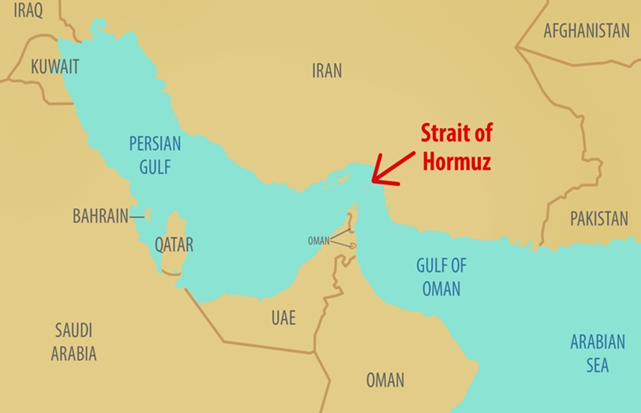
Iranian officials compounded the crisis by asserting control over the
strait. Iranian state media quoted senior commanders saying the Strait of
Hormuz is closed and warned that “the heroes of the Revolutionary Guards and
the regular navy will set those ships ablaze” if they try to pass, a statement
that has heightened market fear over the potential to trap 14-15m barrels per
day of crude in the Middle East Gulf.
The widespread attacks across the region come as the US secretary of
state Marco Rubio said last night “the hardest hits” on Iran are “yet to come”
with no indication of how long this military campaign will last.
Iranian attacks have already struck merchant
shipping and regional infrastructure. Clarksons Research reports at least six
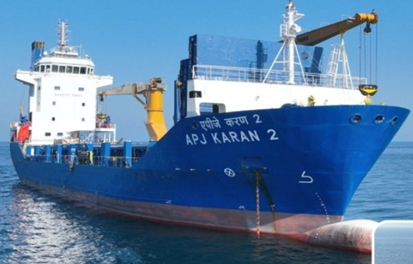
ships damaged – including Stena Imperative, Sea La Donna, Hercules Star, Ocean
Electra, Skylight and MKD Vyom – plus multiple strikes on ports and energy
sites. A Monday port strike in Bahrain killed a shipyard worker, injured two
others and damaged a US‑flagged tanker.
Market monitors warn the disruption is less a formal blockade than
paralysis. “This is not a formal blockade – it is risk‑driven paralysis,” Kpler
said, noting the strait typically handles 80-100 transits per day and moves
roughly a fifth of global oil consumption; bypass pipelines lack the capacity
to offset a major sustained outage.
The effects differ sharply by sector. Tankers are hardest hit: Clarksons
flagged theoretical VLCC earnings at record highs while rival broker Arrow said
it was unlikely to see any VLCC activity on the surface in the immediate few
days.
LNG and LPG markets are also destabilised. Clarksons reports Ras Laffan LNG was offline,
sending regional gas prices sharply higher and prompting short‑term LNG carrier
rate rises of more than 20%. LPG flows – some 30% reliant on Hormuz – face
similar supply and freight shocks. Bunker prices have climbed alongside crude.
Containers see limited direct volume exposure – around 2% move via
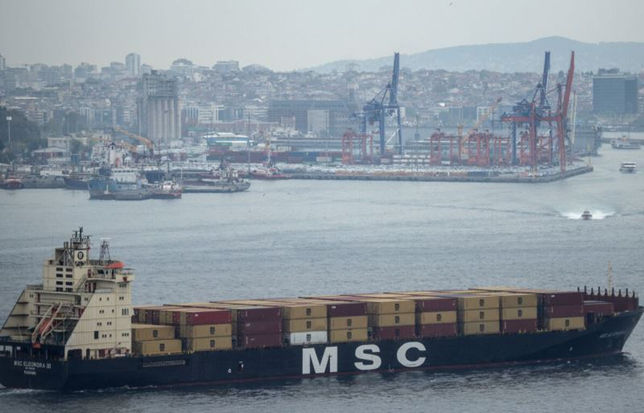
Hormuz. However, carrier disruption is material: major lines, including MSC,
have suspended all bookings for worldwide cargo to the Middle East region until
further notice. Liner reroutings toward the Cape and alternate hubs will
intensify congestion in Europe and Asia.
Dry bulk is the least affected directly but faces secondary congestion
and delays. Clarksons Research noted
that as of last night, 3,200 vessels remain inside the Gulf, equating to 4% of
global tonnage, including 112 crude tankers and 114 containerships; roughly 500
vessels are waiting off the UAE and Oman coastlines.