

Office Address
123/A, Miranda City Likaoli Prikano, Dope
Phone Number
+0989 7876 9865 9
+(090) 8765 86543 85
Email Address
info@example.com
example.mail@hum.com


123/A, Miranda City Likaoli Prikano, Dope
+0989 7876 9865 9
+(090) 8765 86543 85
info@example.com
example.mail@hum.com
In a letter
addressed to Union Minister for Ports, Shipping and Waterways Sarbananda
Sonowal, the Indian National Shipowners’ Association (INSA) said the ongoing
conflict between the United States and Israel on one side and Iran on the other
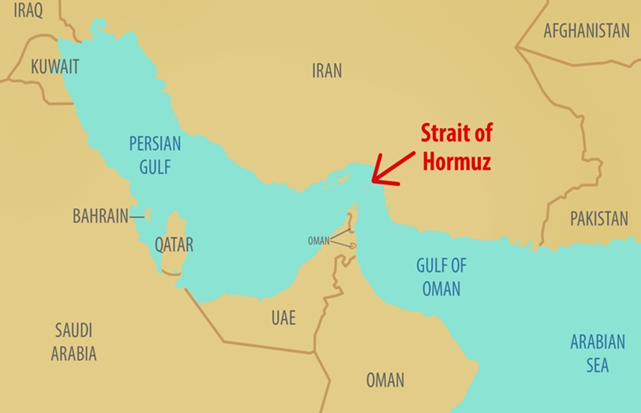
has effectively resulted in a “blocked-style closure” of the Strait.
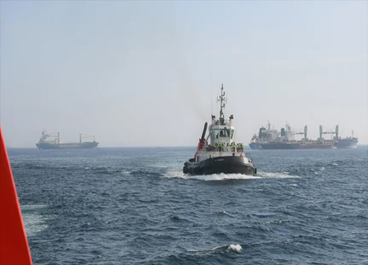
According to INSA, at least 27 Indian-flagged vessels
are currently positioned in the affected region, the majority in the Persian
Gulf and some in the Gulf of Aden. Many of these ships are laden with crude oil
or LPG cargoes destined for India. Given the heightened security risks, the
safest course of action for these vessels has been to hold position.
Collectively valued
at over ₹10,000 crore, the ships represent not only significant national assets
but also carry Indian crew members whose safety is now a pressing concern. INSA
cited international shipping reports indicating that at least three tankers
have been attacked in the Gulf since February 27, 2026. One vessel owned by an
INSA member reportedly narrowly escaped a missile strike that landed within a
mile of the ship.
The association
underscored India’s heavy reliance on energy imports routed through the Strait,
noting that nearly 85% of the country’s LPG imports transit the Hormuz
corridor. Given the volume involved, INSA stressed that these supplies cannot
be easily substituted. Several Indian tankers are already loaded, while others
remain south of the Strait awaiting clearance to lift additional cargo. Any
prolonged disruption, it warned, could strain India’s limited strategic energy
reserves.
INSA also pointed to conflicting field reports
suggesting that certain Chinese and Iranian vessels have continued transiting
the Strait even as incidents of firing from the Iranian Coast Guard have been
reported. In this volatile environment, the association emphasized the need for
clear assurances to ensure safe and uninterrupted movement of Indian-flagged
ships.
Calling for
immediate diplomatic engagement, INSA requested the minister to use official
channels to communicate with authorities in Iran and Israel to guarantee safe
passage for Indian vessels. Such assurances, the association said, would
safeguard Indian seafarers and help maintain stable crude oil and LPG supply
chains critical to the nation’s economy.
The letter further cautioned that without explicit guarantees of safe transit,
Indian-flagged ships could face unprecedented surges in freight and insurance
premiums, adding further cost pressures to India’s energy imports. “We trust you will give this serious
consideration and implore you to act immediately on our request,” INSA CEO Anil
Devli wrote, offering to provide any additional information the government may
require.
The situation continues to evolve, with maritime
stakeholders closely monitoring developments in one of the world’s most
strategically vital energy corridors.