

Office Address
123/A, Miranda City Likaoli Prikano, Dope
Phone Number
+0989 7876 9865 9
+(090) 8765 86543 85
Email Address
info@example.com
example.mail@hum.com


123/A, Miranda City Likaoli Prikano, Dope
+0989 7876 9865 9
+(090) 8765 86543 85
info@example.com
example.mail@hum.com
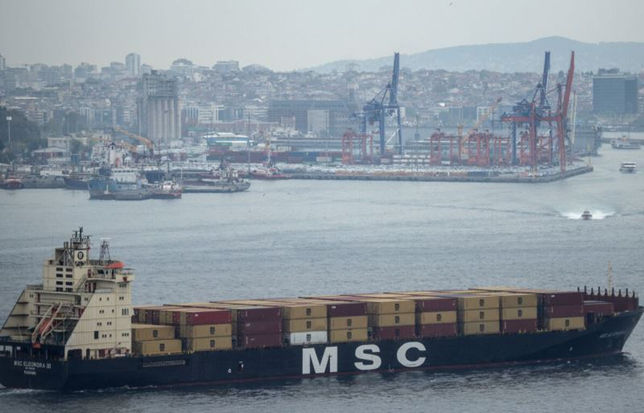
This move reflects
mounting difficulties for shipping carriers dealing with cargo lift woes at key
transshipment hubs — the intermediate ports where cargo is transferred between
vessels — affecting reliability and scheduling on the heavily trafficked
Asia–Europe trade routes. Such disruptions are taking place amid a volatile
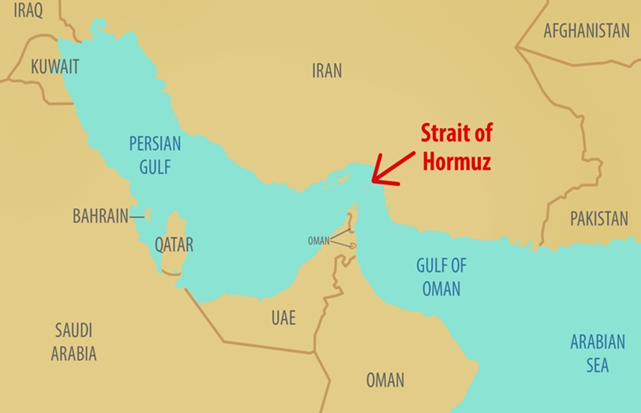
global shipping environment triggered by tensions in the Middle East and
resulting instabilities along the Strait of Hormuz, Red Sea and Suez Canal
corridors.
Industry insiders
say that challenges in moving cargo efficiently through transshipment hubs —
including congestion, delays and decreased lift capacity — have forced major
carriers like MSC to retool service rotations, reduce port calls and reallocate
capacity across its network. These adjustments are intended to preserve
schedule reliability while adapting to reduced cargo throughput in certain
segments.
This development comes at a time when Indian exports
to Europe and the Mediterranean are already facing longer transit times and
higher freight costs due to carriers avoiding traditional routes through the
Middle East conflict zones — pushing vessels around Africa’s Cape of Good Hope
instead. The combined pressures of transshipment bottlenecks, geopolitical
tension-driven rerouting and industry rate volatility are reshaping liner
shipping strategies on one of the world’s busiest trade corridors, raising
concerns for exporters and logistics planners about costs, transit times and
capacity reliability in the months ahead.