
Office Address
123/A, Miranda City Likaoli Prikano, Dope
Phone Number
+0989 7876 9865 9
+(090) 8765 86543 85
Email Address
info@example.com
example.mail@hum.com


123/A, Miranda City Likaoli Prikano, Dope
+0989 7876 9865 9
+(090) 8765 86543 85
info@example.com
example.mail@hum.com
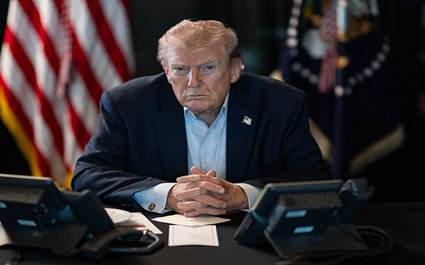
If
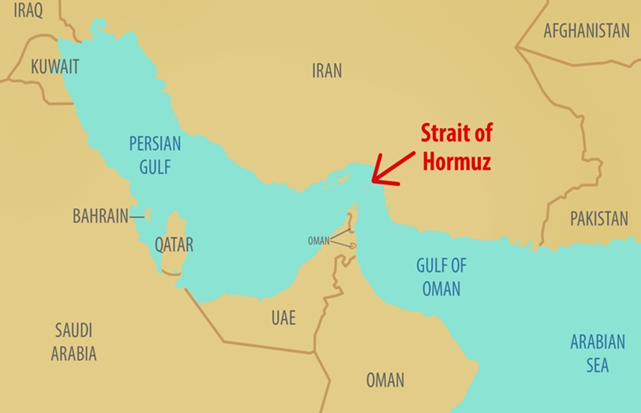
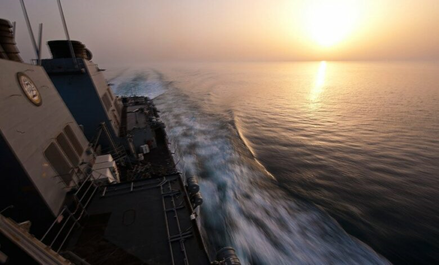
necessary, the United States Navy will begin escorting tankers through the
Strait of Hormuz, as soon as possible.”
That announcement came as shipping through the
Strait of Hormuz has reduced to a trickle, global oil and gas prices have
increased, and as the UKMTO reported more incidents of attacks on ships in the
conflict area — including an attack on a tanker 10 nautical miles east of Fujairah, UAE.
With details of the
Trump proposal still to emerge, Jakob Larsen, BIMCO’s chief safety &
security officer, commented: “The
announcement from U.S. President Donald Trump about selling “political risk
insurance and guarantees for the Financial Security of all maritime trade,
especially energy, traveling through the Gulf” has yet to be explained in full.
Depending on the details of the proposal it might help tip the risk/reward
ratio and stimulate more shipowners to resume operations in the high-threat
area.
“Trump’s announcement
that ‘If necessary, the United States Navy will begin escorting tankers through
the Strait of Hormuz, as soon as possible,’ sounds interesting and we are
awaiting further clarifications on how this would unfold. ?Naval escorts would help reduce the
threat for the ships being protected. That said, providing protection for all
tankers operating in areas currently threatened by Iran is unrealistic as this
would require a very high number of warships and other military assets. “At some future point, if the Iranian
threat has been degraded significantly, the relative effect of naval escorts
will improve. This might push the security risk below the risk acceptance level
of some shipowners and cause some ships to resume operations in the high-threat
area.”
One of the first ships attacked in the wake of the
Epic Storm strikes on Iran was the U.S,-flagged TSP program vessel Stena Imperative and yesterday
American maritime unions said they “will continue to advocate for robust
measures that ensure the safety of American crews and vessels during this
period of heightened risk.”
A statement released
by the unions [the American Maritime Officers (AMO), the American Radio
Association (ARA), the Marine Engineers’ Beneficial Association (MEBA), the
Marine Fireman’s Union (MFOW), the International Organization of Masters, Mates
and Pilots (MM&P), the Seafarers International Union (SIU), and the Sailors
Union of the Pacific (SUP)] said:
“For more than 250 years, the United States Merchant Marine has
successfully delivered the cargoes essential to our nation’s economy, security,
and global trade. Today, American mariners continue that proud tradition while
operating in increasingly dangerous regions around the world.”“Our unions are
working closely with vessel management, U.S. military leaders, and the federal
government to safeguard American mariners operating in the Persian Gulf and
throughout the Middle East. We remain committed to continued coordination with
all stakeholders until the safety and security of U.S.-flag vessels and their
civilian crews can be fully assured.”
“American mariners deserve the strongest possible protection as they
carry out missions vital to our nation’s economic and strategic interests. We
will continue to advocate for robust measures that ensure the safety of
American crews and vessels during this period of heightened risk.”