Qatar LNG damage, Yanbu strikes and Hormuz toll threats deepen shipping crisis
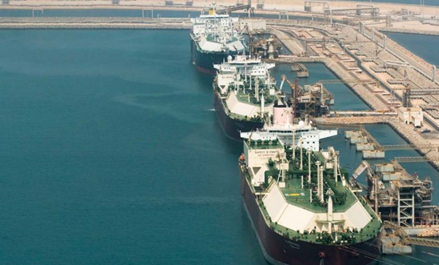
QatarEnergy has
confirmed severe damage to RasGas Trains 4 and 6 – a combined 12.8 mtpa of LNG
supply representing 17% of Qatar’s normal Ras Laffan export capacity and
roughly 3% of global output. The operator told Reuters repairs could take three
to five years, a development that will reverberate across LNG shipping demand,
Asian shipbuilders and long-term charter markets.
The Qatar blow came as
fresh strikes in the past 36 hours widened the conflict’s footprint across the
Gulf’s energy infrastructure. Kuwaiti oil infrastructure has been targeted,
and, most significantly, Iran has struck the Saudi port and refinery complex at
Yanbu on the Red Sea. Yanbu had emerged as Saudi Arabia’s critical emergency
outlet during the conflict, a pressure valve for crude exports that could no
longer safely route through Hormuz.
Adding a further commercial dimension, Iranian media reported Thursday
that Tehran is considering legislation that would require countries to pay
transit fees for vessels passing through the Strait of Hormuz.
Against that backdrop,
the International Maritime Organization has just concluded an extraordinary
session of its council in London to address the crisis. The session backed the
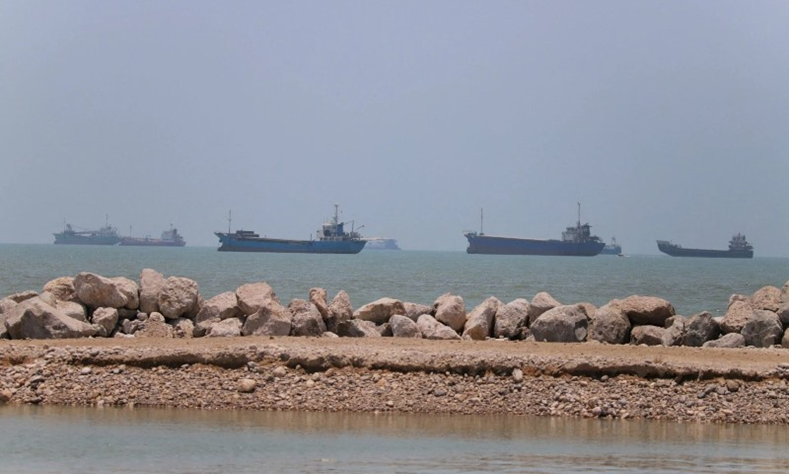
creation of a humanitarian corridor to evacuate the estimated 3,200 vessels and
20,000 seafarers currently stranded inside the Gulf.
The corridor concept draws inevitable comparisons
to the Black Sea Grain Initiative, which carved out a protected shipping lane
from Ukraine early in the Russia-Ukraine war. That mechanism was widely
regarded as effective in addressing global food security pressures, though it
relied heavily on UN and Turkish guarantees.
Political backing is
building but remains imprecise. A joint statement from the UK, France, Germany,
Italy, the Netherlands and Japan on March 19 condemned attacks on commercial
shipping and energy infrastructure and described Hormuz as effectively closed –
but stopped short of endorsing naval escorts, leaving the mechanism for safe
transit unresolved. In his closing
address to the council yesterday, IMO secretary-general Arsenio Dominguez
quoted from a recent
article carried by Splash and penned by Sunil Kapoor, which noted:
“When seafarers die, statements are not enough. Vessels can be insured, cargo
can be insured; but a human life cannot be replaced.”
Related News