




Office Address
123/A, Miranda City Likaoli Prikano, Dope
Phone Number
+0989 7876 9865 9
+(090) 8765 86543 85
Email Address
info@example.com
example.mail@hum.com


123/A, Miranda City Likaoli Prikano, Dope
+0989 7876 9865 9
+(090) 8765 86543 85
info@example.com
example.mail@hum.com
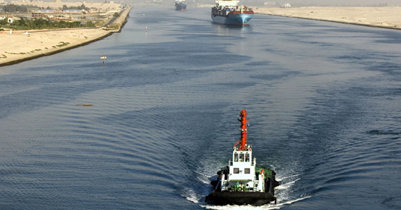
The Suez Canal Authority has
confirmed a fresh round of transit surcharges effective July 15, raising costs
for nearly every category of vessel just as some of the world’s largest
container lines cautiously resume sailing through the waterway after more than
eighteen months of diversion around Africa’s Cape of Good Hope. Under navigation circulars issued by the
Egyptian canal operator, laden crude oil and petroleum product tankers face the
steepest increase, with their temporary surcharge rising to 37 per cent of
standard transit dues, up from 25 per cent. Ballast tankers move from 15 to 27
per cent. LPG carriers and chemical tankers climb to a 32 per cent surcharge
from 20 per cent, while LNG carriers rise from 7 to 19 per cent. Dry bulk
carriers see their surcharge more than double, from 10 to 22 per cent.
Containerships, the vessel class most central to the canal’s recovery story,
will face a 12 per cent surcharge, with the existing tier-based structure for
boxships otherwise unchanged. General cargo, heavy-lift and ro-ro vessels move
to 26 per cent from 14 per cent, and vehicle carriers face 26 per cent
northbound and 12 per cent southbound. Passenger ships alone are unaffected.
The
Suez Canal Authority has framed the increases as temporary and tied to
“prevailing market conditions,” distinct from the underlying base tariff, which
has not changed since 2024 and could, in principle, be revised again depending
on how shipping patterns evolve. Canal revenues collapsed by roughly two-thirds
at the height of the Red Sea crisis, when Houthi attacks on commercial shipping
pushed the large majority of container lines to reroute around southern Africa,
adding an estimated ten to fourteen days to Asia-Europe voyages and materially
raising fuel costs and vessel utilisation across the industry. That
backdrop makes the timing of the fee increase delicate. Maersk and Hapag-Lloyd
have both begun returning vessels to the Suez route in recent weeks, with
Maersk completing its first headhaul transit under a resumed routing plan, a
tentative signal that carriers judge the security situation improved enough to
justify the shorter, cheaper passage again. Industry analysts caution the
return remains partial and reversible: most major lines are still keeping a
meaningful share of their fleets on the Cape of Good Hope routing as a hedge,
and the decision to fully normalise back to Suez will depend as much on
continued calm in the Bab-el-Mandeb Strait as on canal pricing. For Indian shipping and trade interests, the
Suez corridor is not a peripheral concern. A large share of India’s westbound
container and tanker trade to Europe and the US East Coast transits the canal
in normal times, and the prolonged Cape diversion since late 2023 added
meaningfully to freight costs and transit times for Indian exporters of
textiles, engineering goods and pharmaceuticals. Indian shipping lines and
NVOCCs have been watching the gradual carrier return closely, with several
citing hopes that a fuller normalisation later this year could ease the
elevated freight rates that have persisted on the Asia-Europe corridor even as
the acute Red Sea security crisis has receded from headlines. The Suez Canal Authority has left open
the possibility of amending or cancelling the new surcharges depending on how
transit volumes and security conditions develop over the coming months,
underscoring that both the canal’s finances and global shipping routing
decisions remain in a state of flux rather than settled into a clear
post-crisis equilibrium.