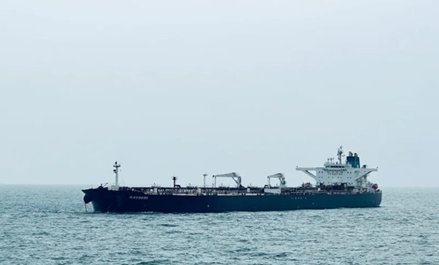
Drone strike hits sanctioned tanker off Istanbul
The 163,800 dwt Altura was struck around 15 nautical miles from
the Bosphorus after departing Russia’s Novorossiysk port, according to Turkish
media. Initial reports indicate the vessel, carrying around 140,000 tonnes of
crude, suffered damage to its bridge and engine room, with water ingress
reported. The ship was left immobilised northeast of the Turkish Straits.
A distress call from the vessel’s captain described a critical situation
onboard, with key systems down and flooding in the engine room. Despite the
damage, all 27 crewmembers are reported safe.
Turkish authorities moved quickly to respond,
dispatching coast guard units, patrol boats and specialist emergency response
vessels to assist. Transport and Infrastructure Minister Abdulkadir Uraloğlu
told local media there were no injuries and confirmed technical teams had been
sent to the scene.
The cause of the attack has not been officially confirmed, but early
indications point to the use of unmanned systems. Authorities said it may have
involved a drone or an unmanned maritime vehicle.
The 2005-built Altura,
sailing under the Sierra Leone flag, has been sanctioned by the EU and the UK
and has been linked to Russia’s so-called shadow fleet. The vessel is managed
by Turkey’s Pergamon Denizcilik Isletmeleri and is owned via Sea Grace
Shipping, registered in St Kitts & Nevis, according to Equasis data.
The tanker has changed hands several times in
recent years, previously trading as Besiktas Dardanelles before
being sold in 2024 and later acquired by Istanbul-based interests and
renamed Altura.
Attacks on tankers in the Black Sea are often linked to Ukrainian drone
boats and UAVs, though Kyiv has not claimed responsibility for this incident. The latest strike follows a string of
Ukrainian attacks on Russian export infrastructure flagged by Splash, including hits on the Ust-Luga terminal and the
Baltic port of Primorsk. Those incidents, targeting key crude loading hubs,
signalled a widening campaign against Russia’s oil logistics chain — now
increasingly spilling over to tankers trading out of its ports.
Related News