



Office Address
123/A, Miranda City Likaoli Prikano, Dope
Phone Number
+0989 7876 9865 9
+(090) 8765 86543 85
Email Address
info@example.com
example.mail@hum.com


123/A, Miranda City Likaoli Prikano, Dope
+0989 7876 9865 9
+(090) 8765 86543 85
info@example.com
example.mail@hum.com
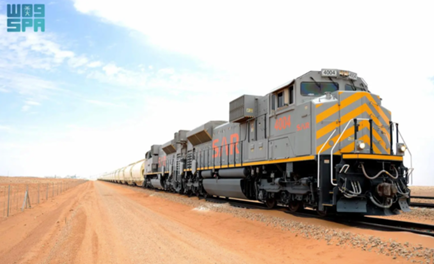
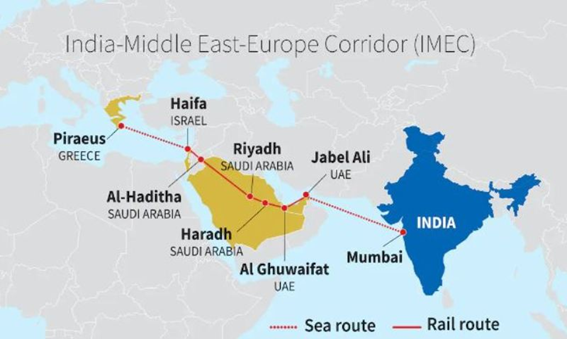
The new routes connect Arabian Gulf ports with central
and northern Saudi regions, extending to the Red Sea and neighboring countries
to the north, the report said. The
initiative utilizes a multimodal transport network combining rail and road
systems, supporting Saudi Arabia’s strategy to become a global logistics hub
under Saudi Vision 2030, it said. It
said this network facilitates the transportation of petrochemicals and
minerals, directly linking industrial centers to shipping lines, cutting
transit times and boosting efficiency.
CEO of Saudi Arabia
Railways Bashar AlMalik said the expansion will strengthen Saudi Arabia’s role
as a vital East-West logistical corridor, ensuring smoother trade amid global
supply chain shifts
SAR’s CEO Bashar
Al-Malik affirmed that the rapid development witnessed in the railway sector
comes with the support and attention of the wise leadership and under the
follow-up of the Minister of Transport and Logistics Services and Chairman of
SAR’s Board of Directors, Saleh Al-Jasser, who attaches great importance to
this sector for its role as an enabler of various national sectors.
He noted that these
corridors represent an integrated package of logistics solutions that enhance
supply chain efficiency and reliability under various conditions, based on
integration between different transport modes and coordination with relevant
authorities to improve cargo flow fluidity and enhance logistics operations
efficiency.
These passageways contribute to transporting various
types of goods and enabling national supply chains, supporting vital sectors,
foremost among them petrochemical and mining industries, in addition to
enhancing the flow of exports and imports, and providing effective solutions
for transit transport services to regional markets. The passages also serve a wide customer base,
including major industrial companies, mining firms, and the largest maritime
shipping lines, through integrated and reliable transport solutions that help
reduce cargo transit time and improve operational efficiency.
These operations
are managed through an integrated system that includes the Riyadh Dry Port, and
a number of SAR’s freight yards in Dammam, and Jubail, as well as Ras Al-Khair,
Al-Kharj, and Hail, in addition to Qurayyat, connecting to various Arabian Gulf
ports and Red Sea ports, enhancing connectivity between ports and local and
international industrial and economic hubs.
The corridors are
expected to eliminate thousands of truck trips from roads, raise road safety
levels, reduce carbon emissions, as well as reduce cargo transit time and
improve operational efficiency, reinforcing SAR’s role as a key national
enabler of the transport and logistics system.
Al-Malik added that these corridors contribute to
strengthening connectivity with regional and international markets,
consolidating the Kingdom’s role as a logistics passage linking East and West,
and supporting the fluidity of trade movement, thereby reinforcing the Kingdom’s
position as a global logistics hub and a key axis in international trade flows.