




Office Address
123/A, Miranda City Likaoli Prikano, Dope
Phone Number
+0989 7876 9865 9
+(090) 8765 86543 85
Email Address
info@example.com
example.mail@hum.com


123/A, Miranda City Likaoli Prikano, Dope
+0989 7876 9865 9
+(090) 8765 86543 85
info@example.com
example.mail@hum.com

The pharmaceutical industry is
on the edge of a demographic cliff — the patent cliff. Over the next several
years, patents protecting dozens of blockbuster drugs worth hundreds of
billions of dollars in annual global sales will expire. When patents lapse, generic
manufacturers — most of them in India — can legally produce cheaper versions.
The result is typically an explosion in production volumes, a reshaping of
global supply chains, and a massive logistics opportunity for countries
well-positioned in generic drug manufacturing. India, already the world’s largest
supplier of generic medicines by volume and a top-three supplier by value,
stands to be among the greatest beneficiaries of this wave. The country accounts
for about 20% of global generic drug exports, supplies roughly 40% of generics
consumed in the United States, and is the single largest supplier of medicines
to sub-Saharan Africa. The patent cliff could significantly amplify all of
these figures.
For India’s pharmaceutical logistics sector,
preparation is already underway. Companies across the cold chain, freight
forwarding, and warehousing segments are investing in temperature-controlled
transportation infrastructure, digital tracking and monitoring systems, and
regulatory-compliant distribution networks capable of meeting the stringent
standards of the US FDA, the European Medicines Agency, and the World Health
Organization.
The requirements are
demanding. Pharmaceutical-grade logistics means maintaining specific
temperature windows — often 2 to 8 degrees Celsius for biologics and vaccines,
or 15 to 25 degrees for standard solid-dose medicines — across the entire
journey from manufacturing plant to dispensary. Any lapse in the cold chain
risks product degradation, rejection at border inspections, or recalls. As
India scales up exports of complex molecules, biosimilars, and specialty
generics triggered by patent expirations, the margin for error narrows. Beyond cold chain, the pharmaceutical
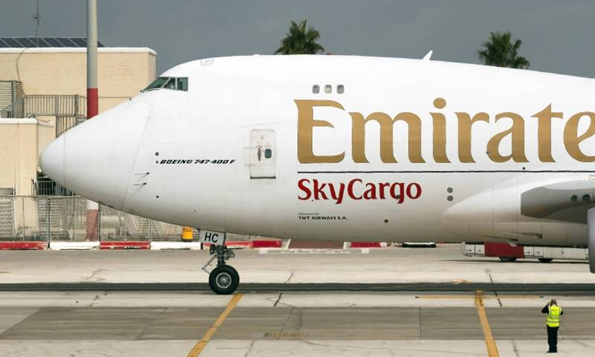
export surge is expected to place significant pressure on air cargo capacity —
the preferred mode for high-value, time-sensitive pharma shipments — as well as
on dedicated pharmaceutical logistics hubs at major airports and seaports.
India’s air cargo infrastructure at hubs like Mumbai, Delhi, Hyderabad, and
Bengaluru will need to expand to absorb increased pharmaceutical freight
volumes.
Port-based logistics will also be critical. Sea
freight accounts for a large portion of bulk pharmaceutical raw material (API)
imports into India and is increasingly being used for finished goods exports to
markets like Africa and Southeast Asia where cost sensitivity is higher.
Dedicated pharmaceutical berths, bonded warehouses, and faster customs
clearance mechanisms at major ports can make a material difference to supply
chain efficiency.
Industry stakeholders stress
that successful capitalisation on the patent cliff opportunity will require
close collaboration between pharmaceutical manufacturers, contract development
and manufacturing organisations (CDMOs), freight operators, and logistics
technology providers. Digital platforms that provide end-to-end supply chain
visibility, predictive disruption alerts, and regulatory compliance
documentation will become competitive differentiators. The global patent cliff is not a distant
threat or promise — it is arriving now. For Indian pharma logistics, the runway
is short and the preparation must accelerate.