




Office Address
123/A, Miranda City Likaoli Prikano, Dope
Phone Number
+0989 7876 9865 9
+(090) 8765 86543 85
Email Address
info@example.com
example.mail@hum.com


123/A, Miranda City Likaoli Prikano, Dope
+0989 7876 9865 9
+(090) 8765 86543 85
info@example.com
example.mail@hum.com
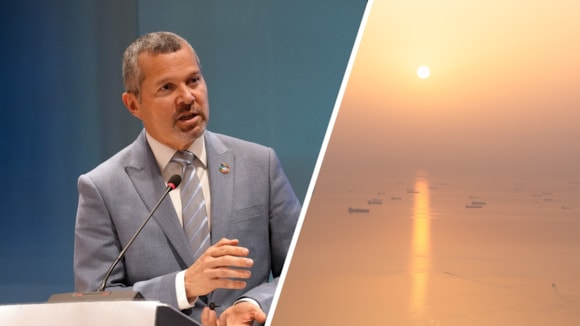
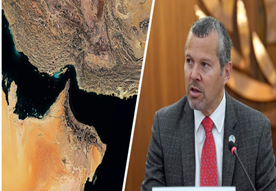
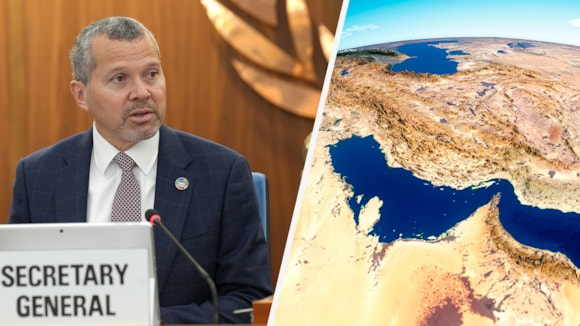
Speaking at the Maritime Convention of the Americas in
Panama on Thursday, IMO
Secretary-General Arsenio Dominguez said thousands of civilian
seafarers are caught in a crisis driven by escalating geopolitical tensions in
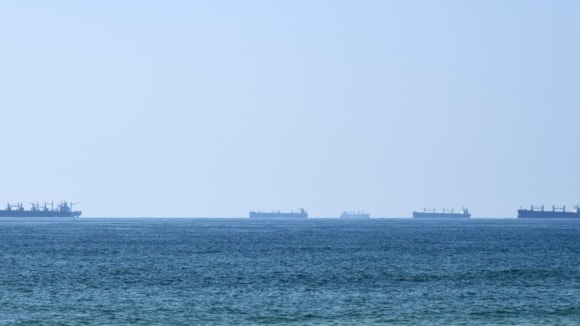
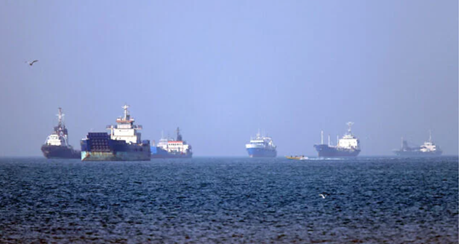
the Middle East. “At this moment, around 1,500 ships and close to 20,000 crew
members are unable to move,” Dominguez said. He emphasised that the affected
sailors are civilians carrying out essential work and should not bear the
consequences of international conflict.
He emphasised that
the affected sailors are civilians carrying out essential work and should not
bear the consequences of international conflict. “These are people simply doing
their jobs to support global commerce, yet they are trapped in circumstances
completely beyond their control,” he added.
The blockade came
after tensions escalated in the region following military strikes by Israel and
the United States against Iran on February 28. Tehran subsequently launched
retaliatory actions across the region, further intensifying the conflict. The
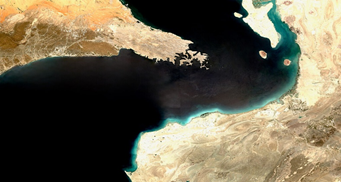
Strait of Hormuz is among the world’s most critical shipping corridors,
handling nearly 20 percent of global oil and gas trade before the conflict
erupted. This situation has disrupted energy supplies and led to sharp rise in
global oil and natural gas prices.
According to Dominguez, “any prolonged disruption to
seaborne trade will have a significant effect on global supply chains, given
that 80 percent of global commerce is moved via sea.” Earlier this week, US President Donald Trump
announced plans for a naval mission to escort commercial ships through the
waterway and help reopen one of the most important strategic water channels.
However, the operation was later put on hold amid signs of possible diplomatic
engagement. Washington is now awaiting Tehran’s response to proposals aimed at
easing tensions and restoring shipping access through the Strait of Hormuz.