

Office Address
123/A, Miranda City Likaoli Prikano, Dope
Phone Number
+0989 7876 9865 9
+(090) 8765 86543 85
Email Address
info@example.com
example.mail@hum.com


123/A, Miranda City Likaoli Prikano, Dope
+0989 7876 9865 9
+(090) 8765 86543 85
info@example.com
example.mail@hum.com
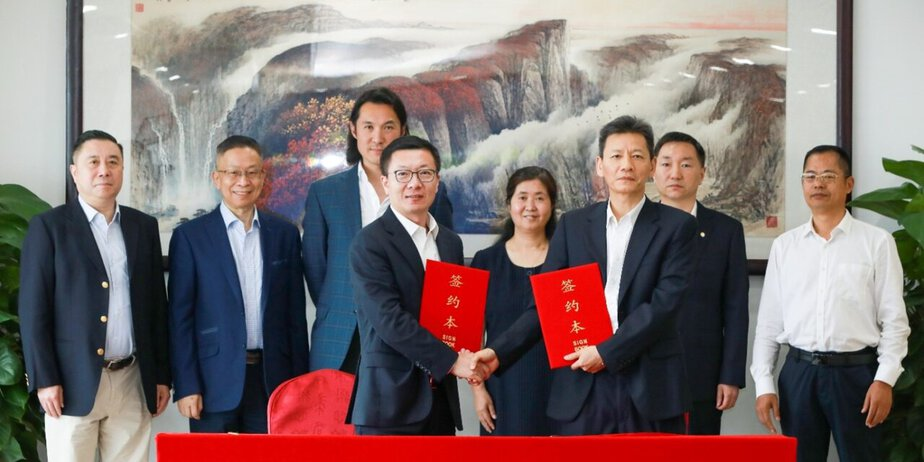
Wah Kwong NatPower
Marine Ltd (WK NatPower), a joint venture between Wah Kwong Maritime Transport
and NatPower Marine, is supporting a new initiative to develop zero-carbon
shipping routes across China’s Greater Bay Area, following a recent broader
Memorandum of Understanding (MoU) with Guangzhou Port Group.
Under this MoU, WK
NatPower will support maritime electrification by advancing the development of
shore power infrastructure across Hong Kong, Greater China, and Asia. The
initiative will focus on deploying electric vessels and establishing shore-side
battery swapping and charging infrastructure across key ports in Guangdong
province and Hong Kong, supporting the transition toward low-emission shipping
operations.
WK NatPower will
play a central role in developing a scalable electrification network, supplying
clean electricity to vessels both at berth and for propulsion. The project
aligns with China’s “dual carbon” targets and reflects broader efforts to
integrate energy systems and port infrastructure at scale.
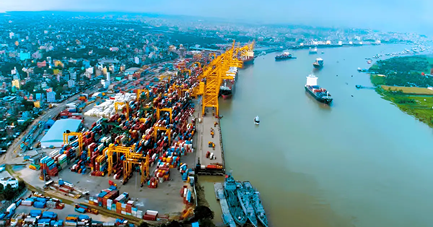
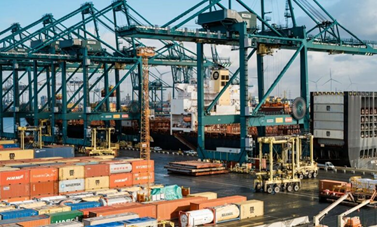
Guangzhou Port, a
major international hub, is advancing its green port strategy through expanded
shore power deployment and increased use of clean energy. The collaboration
aims to establish standardised charging and battery-swapping infrastructure across
the Greater Bay Area, enabling the development of integrated zero-carbon
shipping corridors.
The partners will
also explore the use of alternative marine fuels, including methanol and
ammonia, as part of a broader decarbonisation pathway.
“Delivering zero-carbon
shipping at scale requires alignment across ports, energy providers and
shipping lines,” said Vincent Ni, General Manager of WK NatPower. “This
initiative represents a significant step toward building the infrastructure
needed to support electrified maritime operations across the region.”
WK NatPower is part
of a broader strategy to develop a comprehensive maritime electrification
infrastructure network across Asia, combining Wah Kwong’s maritime expertise
with NatPower Marine’s global energy infrastructure capabilities.